This website uses cookies that help the website function and that help us understand how you interact with it. Please read our privacy policy for more information.
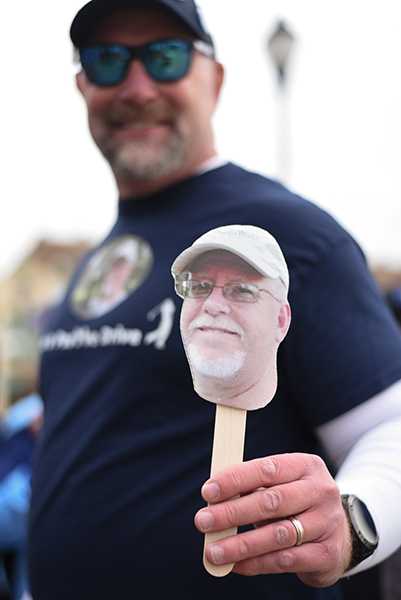
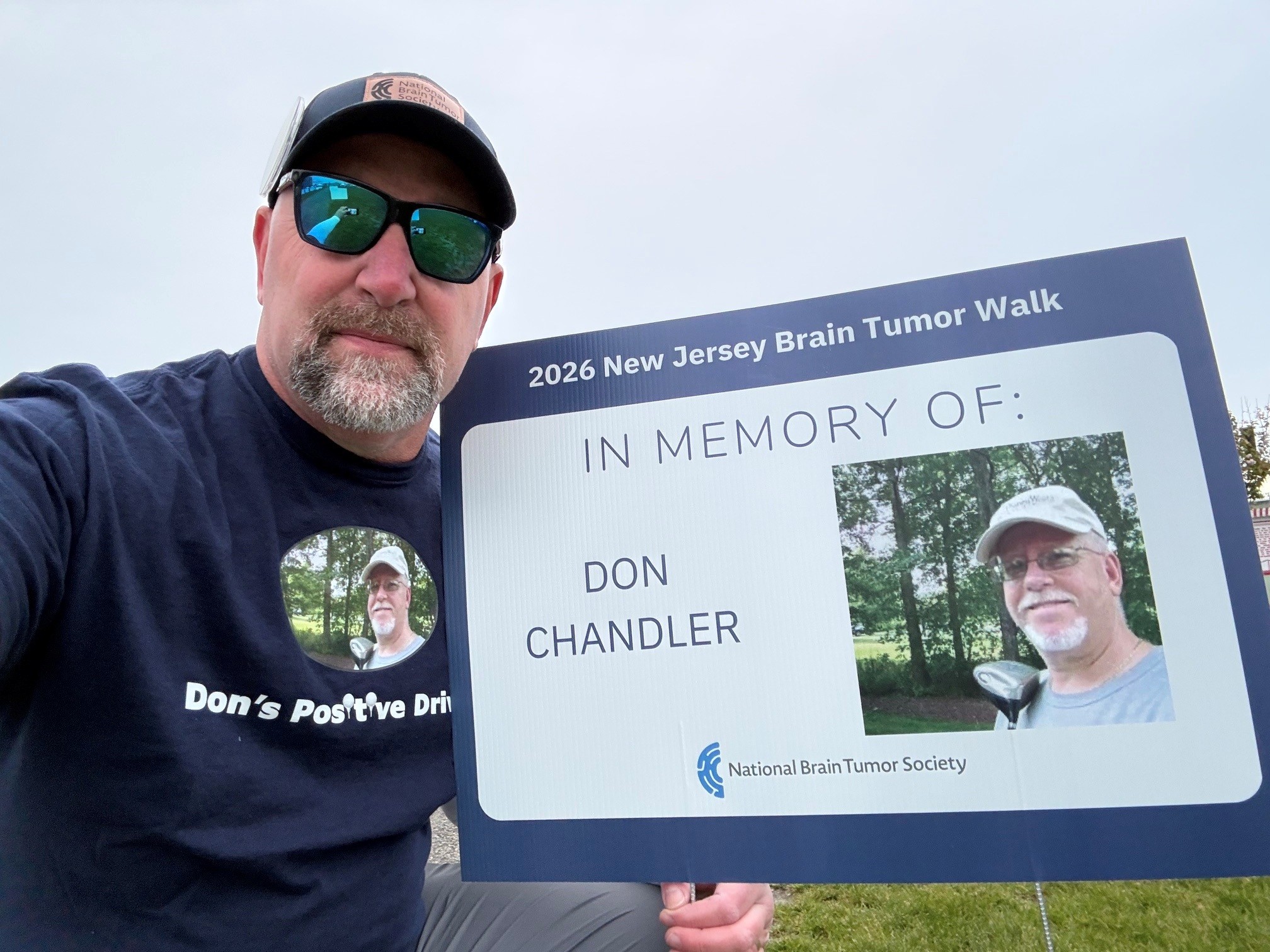
When Dave C. was 15 years old, he and his father, Don, bought a neglected 1968 Camaro for $1,200. The family garage became their world as they spent weekends and after-school hours side by side restoring the classic car. It was a space where Don passed down lifelong values, including his optimistic take on life. Years later, when Don was diagnosed with glioblastoma in 2023, that same positive spirit inspired the name of their National Brain Tumor Society walk team for the New Jersey Brain Tumor Walk: Don’s Positive Drive.
Inspired by the lessons of hope and hard work learned in that garage, Dave was able to navigate the heavy reality of becoming a caregiver and later became a dedicated advocate and fundraiser, channeling his grief into action on behalf of the brain tumor community.
Facing a Glioblastoma Diagnosis
By early 2023, Don achieved remission from lymphoma after nearly a year of rigorous infusion treatments. Unfortunately, the family’s relief lasted only a few months, when Don fell and was rushed to the hospital with worries that he’d had a stroke.
In hindsight, there had been quiet warning signs. A month prior, Don had suffered a blinding migraine while on a ladder helping Dave install a smart smoke detector. On the golf course, he started having some balance issues, and while driving, his wife noticed him repeatedly hugging the center line.
An MRI revealed a three-inch tumor, roughly the size of a tangerine, in his left temporal lobe. The pathology from tumor tissue taken during Don’s craniotomy confirmed glioblastoma. While his mother had never heard of the disease, Dave recognized it instantly from the experience of a coworker’s dad, who had been diagnosed about a year prior, as well as a few ‘friends of friends’ who were lost to it, and the weight of the diagnosis hit him immediately.
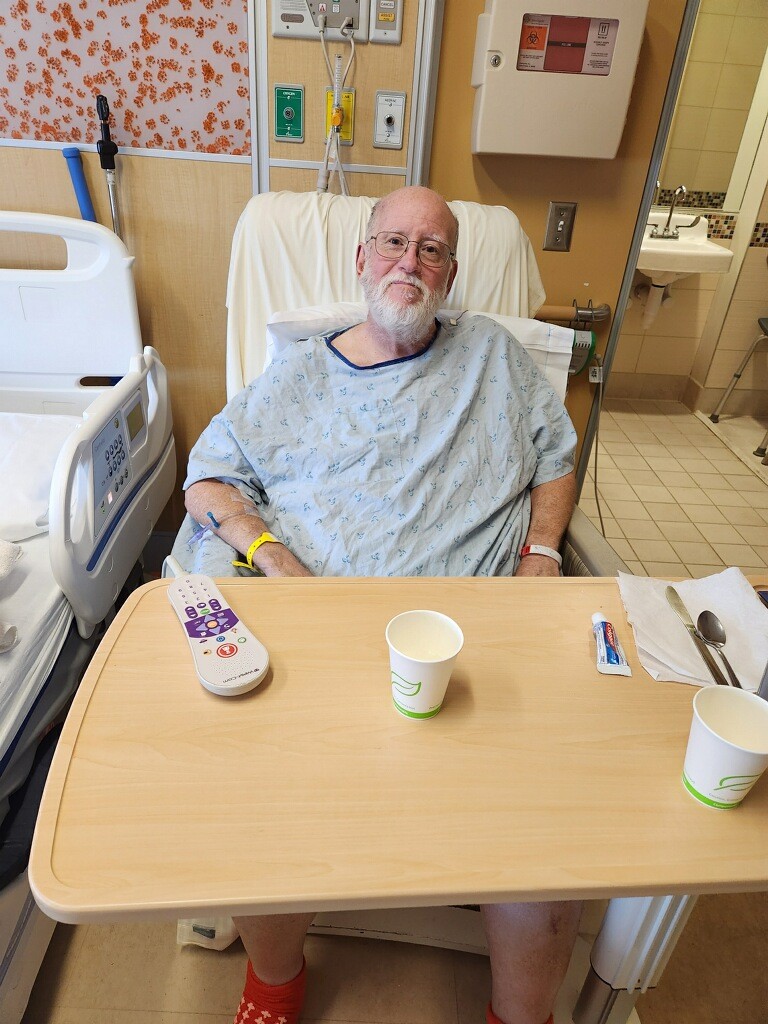
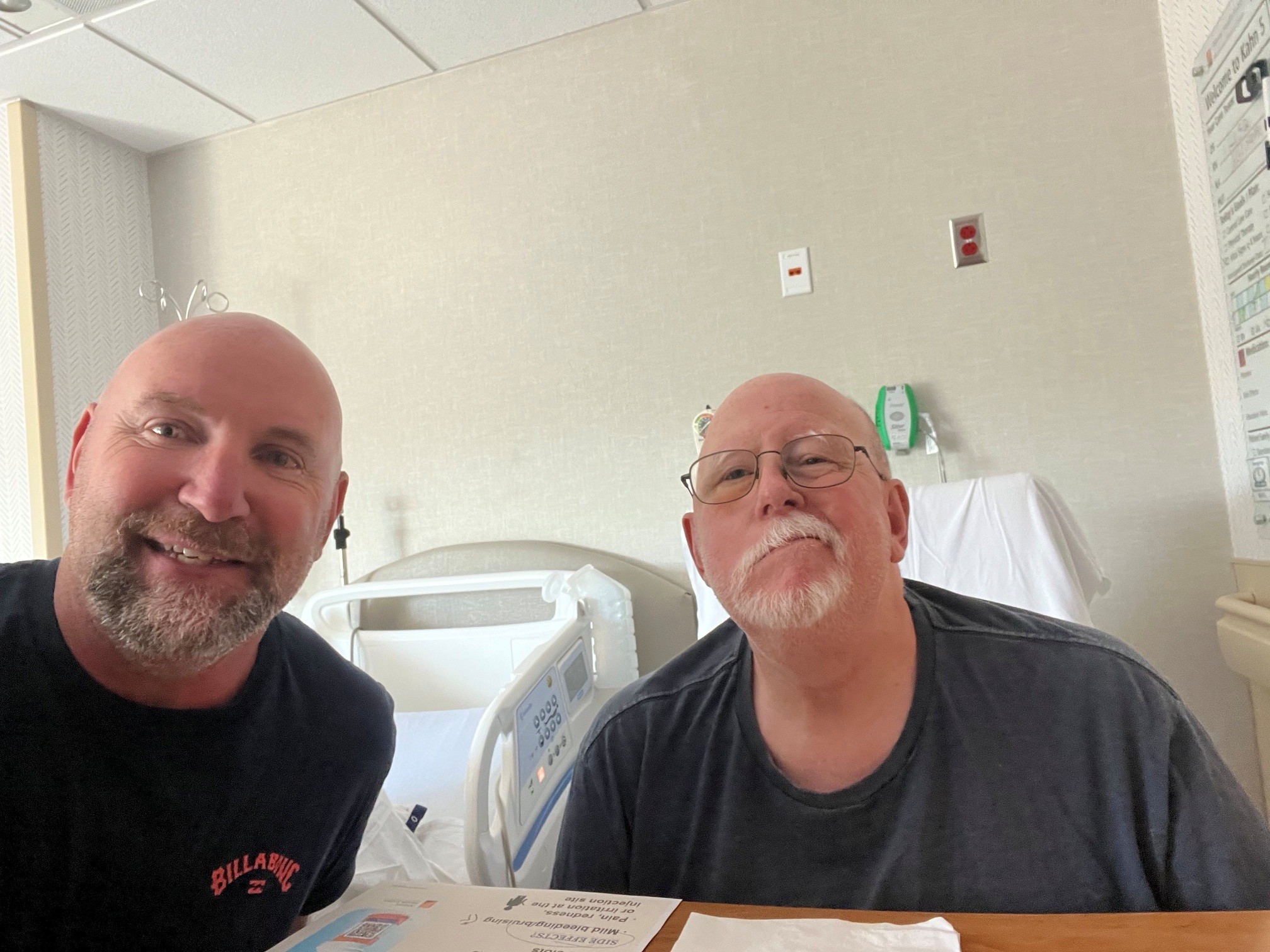
Don spent 52 days in the hospital, rehabilitation, and acute rehabilitation due to a series of complications, including a brain bleed and blood clots in his legs. During that time, Dave learned that he had to take time for himself as the inconsistent recovery days post-surgery were overwhelming.
“You’re in the hospital watching somebody who can’t move all day,” Dave said. “It’s tough. You’re constantly on edge that something is going to go wrong. You have to give yourself a half day to be away from it and come back refreshed because it will wear you down.”
Following treatment and at-home physical therapy, Don stabilized, and the family embraced a season of normalcy. It was during this time that Dave’s company went through significant layoffs, and his job was eliminated.
“It was honestly a blessing in disguise because I was going to be with my dad above anything,” Dave said. “I knew the stats, including the average lifespan after diagnosis, from NBTS’s website, and I knew I wanted to be around my dad as much as I could.”
Experiencing a Glioblastoma Recurrence
Dave felt the weight of scanxiety leading up to and after each regular MRI. A scan in April 2024 revealed an abnormality. A month later, the debilitating headaches returned.
While Don initially rebounded quickly from the second operation, leaving the hospital in under a week, the subsequent two-week course of daily radiation and chemotherapy proved physically and cognitively challenging. Unfortunately, Don’s previous lymphoma diagnosis disqualified him from potential clinical trial opportunities for recurrent glioblastoma.
Dave managed the logistics of installing multiple wheelchair ramps and physically assisted the nursing staff to safely lift his father onto the narrow radiation table each day. By the second week, the cognitive decline accelerated drastically, with Don no longer able to fully comprehend the treatment routine or coordinate his movements. Recognizing that the therapy was now causing more harm than good, Dave (with consultation from his mom) made the difficult choice to halt radiation treatments a day short of completion.
This shift in care brought into sharp focus a lesson: the toll of glioblastoma extends beyond the patient.
“You watch the patient’s deterioration and loss of abilities over time, and I think the same thing happens to the caregiver emotionally,” Dave said. “You have to be mindful of and manage your own self-care because the emotional toll can really leave you feeling empty and exhausted. That’s not something I was doing in the beginning, but it helped me toward the end.”
Grieving His Father
After five days of palliative care, Don was moved to a home hospice bed. On August 17, 2024, roughly eighteen months after his initial diagnosis, Don passed away.
Two weeks after his father’s passing, Dave attended his first NBTS Grief Support Conversation, which he continues to attend every month.
“A lot of people share that same experience, where the acceleration of the decline at the end paralyzes you as a caregiver, and it’s like nothing you’ve ever seen before,” Dave said. “We were all relating to similar experiences.”
This shared understanding made a difference as he navigated the early weeks and months after his dad’s passing.
“I needed to be part of that community to share my story and have the support of people who have been through it,” Dave said. “The facilitators made it so warm and welcoming under such crappy circumstances. Every new grief attendee is welcomed into that group right – with love, care, support, compassion, sensitivity, and understanding.”
Taking Action in His Dad’s Memory
Finding solace in that shared understanding gave Dave the strength to channel his energy into supporting the greater brain tumor community through advocacy, fundraising, and mentorship.
Head to the Hill
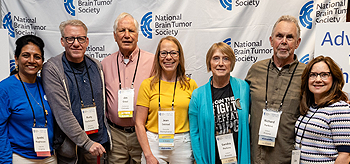
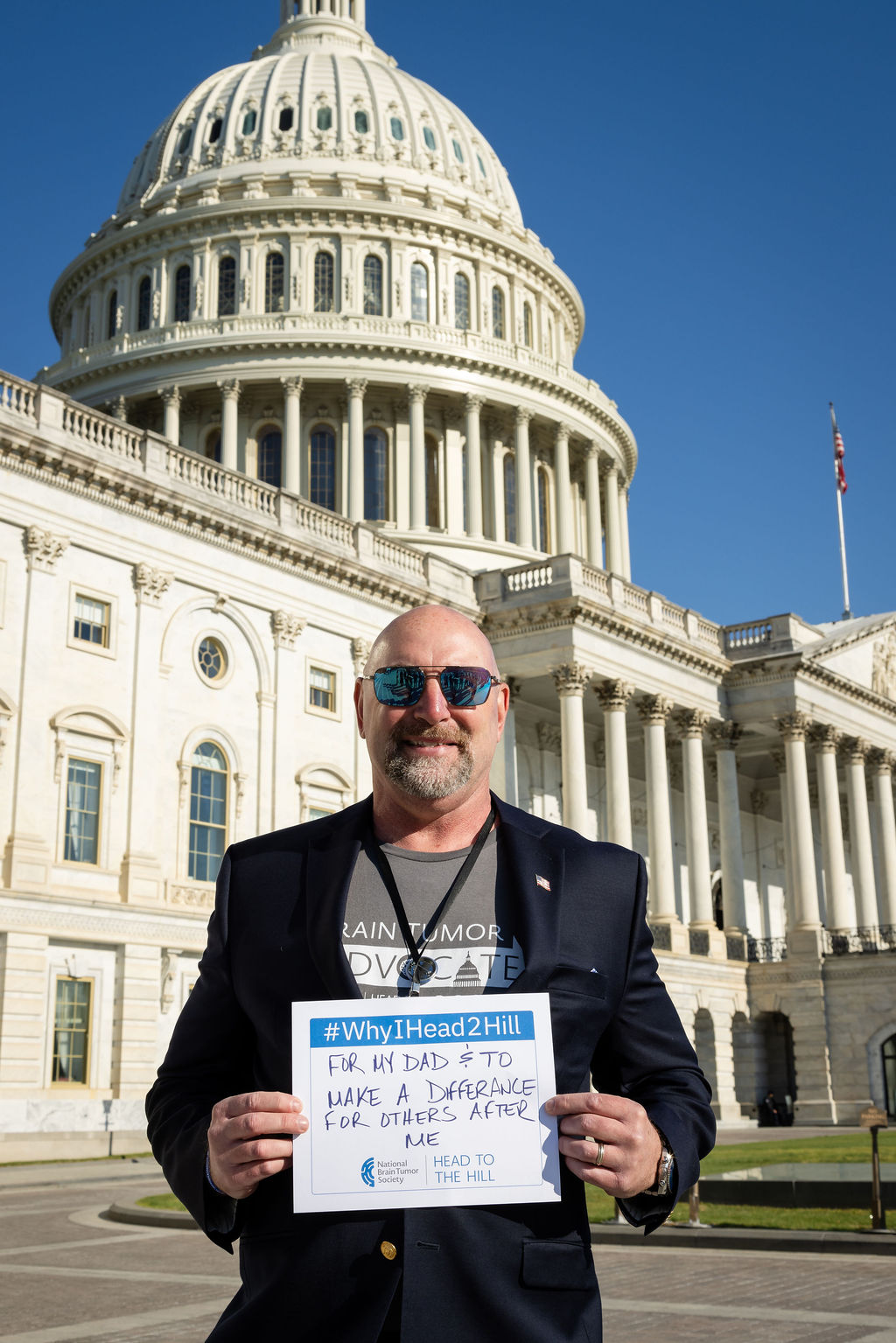
Dave traveled to Washington, D.C., this spring to join hundreds of other brain tumor advocates for Head to the Hill®, NBTS’s signature advocacy event, as they collectively urged their members of Congress to take action on behalf of the brain tumor community. In Fiscal Year 2024, the Department of Defense’s designated line for glioblastoma research funding was removed, but successful advocacy last year secured its return for Fiscal Year 2026. Dave is determined to do his part to keep GBM funding as a national priority.
“It was an amazing experience,” Dave said of Head to the Hill. “I’ll be back for as long as you guys need me. We were there to talk about a movement to spur action in response to a terrible experience we all went through. We are now turning that experience into a purpose for whoever comes after us.”
New Jersey Brain Tumor Walk
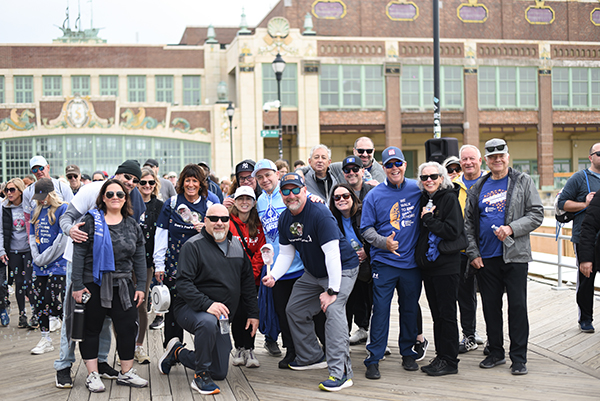
Dave dove headfirst into the New Jersey Brain Tumor Walk, from fundraising through his Don’s Positive Drive team to serving on the planning committee to put on the event. Dave leveraged his professional background to help secure corporate sponsorships, which helped the event collectively surpass its goal, raising nearly $323,000 for brain tumor research, advocacy, and support. Don’s Positive Drive has fundraised more than $11,600 in its first two years at the New Jersey Brain Tumor Walk.
“The fundraising piece for me is important because I want to see the National Brain Tumor Society successful in bringing this hope to future generations,” Dave said. “The more awareness that’s out there, the more money that can be raised, and then the more money that’s raised, the more NBTS can do to bring these issues to the federal level.”
“I got a mentee who was just coming into this diagnosis,” Dave said. “It’s very challenging to go through this situation, but afterward, if you could use it to help somebody else get through their most difficult time, then that’s the reward for me.”
Glioblastoma Awareness Day
On the eighth annual Glioblastoma Awareness Day, July 15, 2026, we will gather to amplify the voices, experiences, and urgent needs of everyone living with glioblastoma (GBM), one of the most complex, treatment-resistant, and deadliest types of cancer.
National Brain Tumor Society spearheaded this annual event in 2019 to support survivors and their loved ones, to remember those who are no longer with us, and to honor luminaries working toward better treatments, better quality of life, and a cure.
For everyone with a glioblastoma diagnosis, it’s time for a better chance.