Skip to content
BACK to Stories

Supporting Brain Tumor Research in Amy’s Memory

Published on September 30, 2025 in CommunityEOY, In the Community, Share Your Story

Guest Author: Diana Gordon

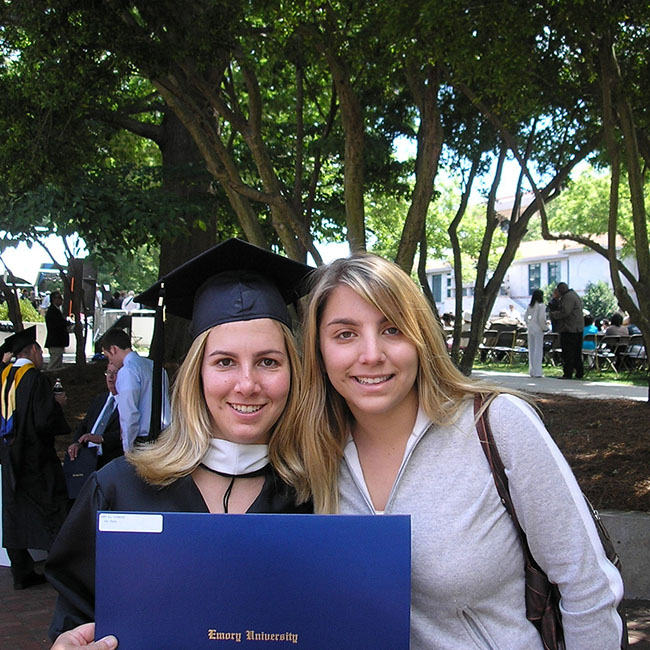
Amy, left, and Diana, right

When my sister Amy was diagnosed at just 25, she often spoke about how devastating it was for young people like her to face a terminal diagnosis. Before she died, she said something has to change — that people like her deserve the chance to live long, full lives.

Our giving is about carrying forward her determination, supporting research that brings us closer to a cure, and ensuring that no family has to go through what ours did.

We chose to give through a donor-advised fund because it helps us be intentional. It allows us to plan ahead, prioritize our giving, and stay committed year after year to the causes that matter most to us. For us, that means making sure Amy’s legacy lives on through progress in brain tumor research.

Amy herself is my inspiration. Even while she was sick, she gave what she could — participating in clinical trials so that others might benefit in the future. Supporting NBTS every year is a way of honoring her courage and carrying on her wish that things would be different for the next generation of patients.

Donor-Advised Funds

A donor-advised fund is a charitable giving account that lets you set aside money for philanthropy — similar to how a 401(k) works for retirement or an HSA works for medical expenses. You contribute cash, stock, or other assets and receive an immediate tax deduction. The funds can be invested and grow tax-free, and you can recommend grants to qualified nonprofits like the National Brain Tumor Society whenever you’re ready.

Fuel the breakthroughs ahead for the brain tumor community by making a grant recommendation from your donor-advised fund (DAF). In just three clicks, you can drive discoveries forward for people living with brain tumors and their loved ones.

Learn More

Opinions expressed within this story belong solely to the author and do not reflect the views or opinions of the National Brain Tumor Society.

Stay Informed & Connected