This website uses cookies that help the website function and that help us understand how you interact with it. Please read our privacy policy for more information.
Most primary brain tumors are formed from abnormal brain cells, but primary CNS lymphoma is different. Although it can appear as a brain mass on imaging, it’s a cancer of the body’s immune system that develops within the central nervous system. Because the cancer is a type of lymphoma, it requires a different treatment approach from other brain cancers.
What is Primary CNS Lymphoma (PCNSL)?
Primary CNS lymphoma is a rare and aggressive type of non-Hodgkin lymphoma (blood cancer) that forms tumors from abnormal white blood cells within the central nervous system. This can include the brain, spinal cord, cerebrospinal fluid, eyes, or the layers covering the brain and spinal cord (meninges).
This type of lymphoma is different from secondary CNS lymphoma, which occurs when lymphoma has already developed elsewhere in the body and later spreads to the nervous system.
Key PCNSL Statistics & Risk Factors
CNS lymphomas represent 1-6% of all non-Hodgkin lymphoma diagnoses, depending on the data source.
According to CBTRUS, more than 1,700 Americans will be diagnosed with primary CNS lymphoma each year, accounting for 1.7% of all CNS tumors.
According to the National Cancer Institute (NCI), more than 95% of these tumors are made up of abnormal B cells (white blood cells that normally produce antibodies to fight infections).
Because this type of tumor impacts the lymphatic system, individuals with weakened immune systems have a higher risk of developing primary CNS lymphoma. For example, individuals with HIV/AIDS or those who are on immunosuppressant drugs following an organ transplant have increased risk factors.
Let’s talk about what makes primary CNS lymphoma different from other brain tumors and about the experiences people living with this tumor type may face.
What are the Common Symptoms of Primary CNS Lymphoma?
The most common symptoms of primary CNS lymphoma are memory challenges, confusion, and difficulty walking or balancing. Unlike other brain tumors, headaches and seizures occur less frequently.
Lakshmi Nayak, MD
“The majority of patients have symptoms related to tumors in the brain,” said Lakshmi Nayak, MD, Director of the Center for CNS Lymphoma at Dana-Farber Cancer Institute. “Memory loss and confusion are symptoms that are seen in about 50-60% of people. Difficulty with walking or gait imbalance can be seen in about 40% of people. Headaches are less common.”
Common primary CNS lymphoma symptoms include:
Confusion
Memory challenges
Language disturbances
Nausea and vomiting
Personality changes
Balance issues
Headaches
Vision changes (e.g., floaters)
Seizures
“Seizures, which are more common in a lot of other brain tumors, such as gliomas or brain metastases, are less common in primary CNS lymphoma,” Dr. Nayak said. “We encounter seizures in 50-80% of people who present with brain metastases or gliomas. In primary CNS lymphoma, they occur in about 11-14% of people.”
The Annals of Lymphoma reports that 43% of patients experience neuropsychiatric or behavior changes. These can include depression, apathy, slowness of thought, impulsive behavior, or even hallucinations. Notably, personality changes are reported to impact 60% of the patients who experience these psychiatric symptoms.
Because symptoms depend heavily on where the tumor is located in the central nervous system, they can vary widely from person to person:
Ocular Lymphoma (Behind the Eye): Can cause vision loss, blurred vision, or the appearance of floaters
Spinal Cord Tumors: May cause weakness or numbness in the arms or legs, back pain, or bladder issues
The Speed of Symptoms vs. Normal Aging
According to Dr. Nayak, the median age of diagnosis is 65 years. Because early symptoms often involve changes in memory or mobility, families frequently attribute them to normal aging or neurodegenerative disorders like Alzheimer’s. The difference with PCNSL is its relatively rapid progression.
“People who have memory or gait changes related to neurodegenerative disorders progress very slowly, over years,” Dr. Nayak said. “With PCNSL, these changes occur over days or weeks. When neurologic symptoms occur suddenly or worsen persistently over a few days, these are telltale signs that something else is going on.”
How is Primary CNS Lymphoma Diagnosed?
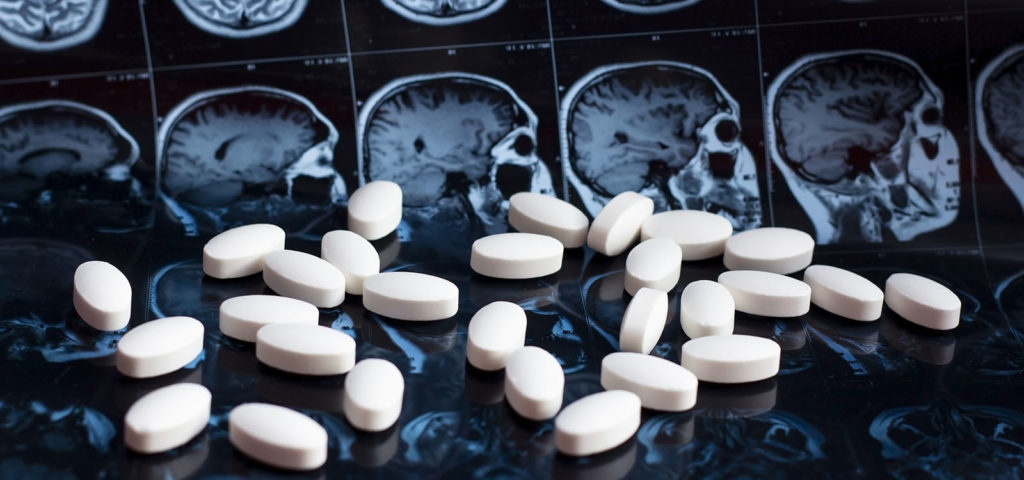
Primary CNS lymphoma is often first suspected based on MRI findings, but requires a surgical procedure called a stereotactic biopsy, which removes a small tissue sample for a pathologist to analyze and confirm the diagnosis. Because corticosteroids can temporarily shrink lymphoma cells, a biopsy should be performed before corticosteroids are administered to ensure an accurate diagnosis.
Time is of the essence when confirming a diagnosis. Dr. Nayak advises against delaying a brain biopsy by opting instead for lumbar puncture to test cerebrospinal fluid (CSF) or vitrectomy if a biopsy is feasible.
“Not because we won’t find an answer that way, but there’s a 50% chance that we won’t find an answer by analyzing CSF, which will lead to a delay in the diagnosis,” Dr. Nayak said. “The sooner we know the diagnosis and start treatment, the more likely that patients will have a complete neurologic recovery.”
The Extent of Disease Evaluation
Once a biopsy confirms CNSL, patients undergo a thorough evaluation to see exactly which parts of the nervous system are involved and also to confirm there is no evidence of lymphoma in the body (systemic lymphoma). This comprehensive workup typically includes:
A lumbar puncture for spinal fluid analysis
A detailed, specialized eye exam
An MRI of the spine (if spinal symptoms are present)
CT/PET scan of the body (to rule out systemic lymphoma)
Lived Experiences: Real Stories from the PCNSL Community
Brain tumor community members generously shared the signs and symptoms they or their loved ones experienced before they were diagnosed with a primary CNS lymphoma.
“My father’s symptoms started with personality changes. My stepmother had noticed he was distant and forgetful, and he had started walking around in the middle of the night, thinking he was seeing people in the house. She wrote it off.
But then he couldn’t remember how to drive up to Long Island. He was swerving into other lanes, and he didn’t seem to care. There was a kind of apathy about his persona. He couldn’t golf with his brothers because he was losing his balance. He also became urinary incontinent.
After that, things got really out of hand. He sent me text messages that were completely out of character. I’m talking pages and pages of emojis and talking about Steve Harvey, whom he wasn’t interested in before. It was so bizarre that I contacted my family to say that something was going on.
My stepmother took him to the doctor, and an MRI found a very large tumor. The doctors believed it was benign, so they gave steroids and did surgery. In the middle of surgery, they told us it wasn’t benign, and they believed it was glioblastoma. When pathology came back a week or so later, it was CNS lymphoma.
We decided to switch to a different medical team due to the misdiagnosis, and my father enrolled in a clinical trial at Johns Hopkins. He ended up going through treatment for about nine months of different types of chemotherapy.
After we switched providers, we learned that surgery is not recommended to remove CNS lymphoma. My father’s tumor was entwined in his right frontal lobe. When the first medical team removed it, they had to remove a portion of the brain with it.
He has been cancer-free since December 2016, but with a traumatic brain injury that presents very much like dementia. It may seem like he’s lost a lot, but he’s happy and alive.
I always recommend that people get a second opinion.” — Danielle D.
“I had more fatigue maybe three or four months before my diagnosis in August 2019, and I was unusually tired sometimes. I just thought, ‘I’m getting closer to 60 — maybe that just happens with age. I’m working a lot, and my father had died six months prior to that.” I went to my primary care, and they couldn’t find anything.
I would go up and down the stairs at work for exercise. A couple of weeks before I actually ended up in the hospital, I turned quickly at work, and I lost my balance. I thought to myself, ‘I’m getting really clumsy.’ I wasn’t sure what happened, and it happened again.
I then started getting numbness on the right side of my foot and the forearm of my right arm, which seemed unusual. And of course, working in a medical office, I was trying to diagnose myself, but my husband was concerned. I was talking to a neighbor who was a nurse, who said, ‘You should really go get the numbness checked out, because it could be something like a clot or something that’s interfering with the blood flow.’
So I went to the emergency room, and I was surprised when they did a CT of my brain rather than my leg. Within hours, I was transferred to Georgetown’s ICU, which was equipped to handle my case.
Other than that, I felt fine. I didn’t have headaches. I had some pressure pain, but really no headaches. My vision was a little worse than usual, but I was still able to see with glasses.
Luckily, I went to the ER when I did. They did a biopsy and told me it was right in the middle of the brain. I had thalamic lymphoma, which is a rare subset of primary CNS lymphoma. I was told it was non-operable and [that surgery] would do more harm than good. That’s when I began chemotherapy.
If you get a bad prognosis, don’t give up hope. Start looking for second and third opinions. Don’t feel like you have to stay with one doctor.” — Susan G.
Neil (survivor): “One day I woke up and couldn’t get my left leg moving right. Every time I walked, I couldn’t lift my leg to take clean steps. I didn’t say anything and just thought I must have strained it somehow. Unfortunately, it got worse to the point where I couldn’t easily climb stairs.
Then we had a very rude awakening. I was driving when I came to a busy intersection. I had a stoplight and could turn right on red when it was clear. I looked both ways, thought I was clear, and I pulled out. I had not seen a fast-approaching car, and we almost wrecked. Fortunately, there was enough room for all of us to move away from each other. My wife, Dawn, and her brother said, ‘You didn’t see that car?’ Honestly, I had not seen it. I had lost peripheral vision on the left side, so what I saw was all clear because I didn’t see with a full span of vision.
That event, coupled with motor loss and weakness, had Dawn suggesting that I go to the hospital to have it checked out. I was still reluctant and even went to show her I could use my left hand. I went to pick up my drink and immediately dropped it on the table and spilled it all over. That night, I was going dancing, and I wasn’t going to miss that. After a couple of dances, I couldn’t move all of a sudden. I didn’t have the energy to sit, and I didn’t have the energy to stand up. I just felt dead on my feet. That’s when I went to the hospital.”
Dawn (wife and caregiver): “Neil talks about physical symptoms, and I’m going to talk about additional symptoms. His tumor was located in the right frontal lobe, which controls a lot of things, including emotions and impulse control. I was seeing behavior issues, but I never attributed them to brain cancer.
He just seemed to have a shorter fuse. Things that wouldn’t normally upset him upset him. Instead of his emotions being pretty stable, they were way overblown in a lot of different ways. I’m thinking to myself, ‘What am I doing wrong? Why is he reacting like this?’ When his limp started and went on for weeks, I thought his chronic back issues were progressing and affecting his leg.
When we got to the ER, they did a CT scan, which detected a mass in Neil’s brain. It was one of those moments where all the air went out of the room. I now understand what that meant.
Then things started moving really fast because you don’t mess around with something like that. The neurosurgeon believed it was either glioblastoma or CNS lymphoma, and that the only way to get a definitive diagnosis was with a biopsy.
It was CNS lymphoma. The neurosurgeon invited us to get a second opinion, but to do it quickly because it was a fast-growing cancer, and Neil needed to be in treatment within two weeks. We met with our local hospital’s oncologist, and they told us they couldn’t treat Neil in the first appointment.
My job began when we heard how rare this cancer was, because my first thought was that we had to find him the best place we could get. We did a Zoom call with a doctor at Memorial Sloan Kettering, and we were there starting treatment three days later.
This is a disease that has more questions than answers, so be there as a caregiver, take notes, and don’t be afraid to ask questions.”
“My husband, Terry, started showing signs of confusion in January 2017. Then he woke up in the middle of the night, reaching for his back, while lifting his foot. He looked like he was trying to be a crane in the middle of the water. I thought he was having a stroke because he couldn’t really communicate with me. He was nauseous and had pain in his back.
I took him to the closest hospital, which gave him a nausea cocktail and sent him home. Later that evening, he still didn’t feel well, so I took him to our hospital’s ER, and they gave him the same nausea cocktail and sent him home. We were frustrated. He went to his primary care, who prescribed him an antidepressant.
He went to see the chiropractor to see if that would help with the back pain. Our chiropractor called me and said, ‘I got your husband here, and he’s acting kind of strange and talking nonsense.’ They called 9-1-1. The hospital thought it was an ischemic attack, but they ultimately couldn’t determine what it was. They told me it could be lymphoma, CNS lymphoma, or glioblastoma, and then sent us home to wait and see how it developed.
By March, he started dragging his foot, and that’s when my husband’s MRIs showed the lesions were growing. They started him on Decadron, but it was still too risky for a biopsy, and the medication would mask any results of the tests. We weren’t getting the answers we needed, and we couldn’t get a second opinion elsewhere until we saw doctors in our network. During this time, he experienced seizures, visual disturbances, and even personality changes.
It took until the 4th of July weekend, when my husband was found completely disabled, that they agreed to do an emergency biopsy. Six months after his first symptoms appeared, the biopsy confirmed it was CNS lymphoma.
My husband’s tumor — three lesions — were in an eloquent place of the brain. People we knew kept saying we needed to get surgery to take it out, and I had to say that CNS lymphoma is not that kind of brain tumor.
By December, he finished his high-dose methotrexate and rituximab treatment before doing a stem cell rescue in April 2018.” — Elke R.
Treatment for Newly Diagnosed PCNSL
Unlike most other primary brain tumors, surgery is not used to treat primary CNS lymphoma. Because these tumors respond remarkably well to systemic medicines and are often located deep within critical areas of the brain, surgery is limited to an initial diagnostic biopsy.
“These tumors are often located deep in the brain and sometimes in eloquent locations,” Dr. Nayak said. “Removing the tumor from those areas could cause permanent neurologic deficits. This disease actually responds to standard of care chemotherapy treatment in about 80% of patients. Sometimes people come in a critical condition — sometimes completely out of it or comatose. Once we start the treatment and it takes effect, they can wake up. It’s really miraculous to see.”
First-Line Chemotherapy: High-Dose Methotrexate
Rather than oral chemotherapy pills taken at home, newly diagnosed PCNSL requires aggressive, intravenous (IV) chemotherapy administered in a hospital setting.
“High-dose methotrexate forms the backbone of treatment,” Dr. Nayak said. “Most institutions utilize a few other chemotherapy and immunotherapy agents in combination with high-dose methotrexate to quickly shrink the tumor and reverse neurologic symptoms. It’s a traditional chemotherapy that needs to be given in the hospital because it can cause damage to the kidneys due to the high doses that are recommended.”
The Hospital Clearance Process
The goal of high-dose methotrexate is to administer it at such high doses that it can cross the blood-brain barrier to kill tumor cells. To prevent organ damage, the care team must prepare the patient’s body to receive the drug and then flush it out. Twenty-four hours after the methotrexate is given, teams give protective medications while waiting for the patient’s kidneys to clear the chemotherapy completely. This hospital stay typically lasts three to four days per cycle.
“I learned right away to drink gallons of water to flush it all out the next three days after chemo because I wanted to go home,” Neil said.
Common Combination Regimens in the U.S.
The MTR Combination: methotrexate, temozolomide (oral chemotherapy pill), and rituximab (an IV medication)
R-MPV Regimen: rituximab, methotrexate, procarbazine, and vincristine
Stem Cell Rescue
According to the NCCN standard of care guidelines, after completing high-dose methotrexate chemotherapy, high-dose chemotherapy and autologous stem cell rescue is often the next step.
An autologous stem cell transplant uses one’s own healthy stem cells to help the patient’s bone marrow recover and produce more healthy blood cells. However, because this procedure is quite intensive, it isn’t an option for every patient.
“If a patient is young and fit, physically well, and has good bodily functions of all organs, then they are considered for thiotepa-based autologous stem cell transplant (ASCT),” Dr. Nayak said.
Three Key Steps of a Stem Cell Rescue
Stem Cell Removal: Healthy blood stem cells are collected from the patient’s body and frozen.
High-dose Chemotherapy: The patient receives chemotherapy to wipe out any remaining lymphoma cells.
Stem Cell Replacement: The frozen stem cells are thawed and returned to the patient’s body.
Patient Perspectives on the Rescue Experience
While the clinical steps sound straightforward, the process can be taxing.
“I didn’t want to do a stem cell transplant, but two of the top neuro-oncology doctors agreed that it was the best chance of long-term survival,” Neil said. “Right before my eighth treatment, we heard I was classified as ‘no evidence of disease’ (NED). I felt miserable during chemo, and my doctors convinced me by saying, ‘Do you want to come back here and do this all again?’”
Despite the hardships of the treatment, the potential long-term payoff can be worth it.
“The stem cell rescue was critical,” Elke said. “He did well for five years after that.”
Keeping a mindset focused on the temporary nature of the hardships can help.
“I want patients going through the stem cell transplant process to know that as bad as it gets, it’s going to get better,” Neil said. “You don’t feel great now, but you’re in the right place, doing the right thing, and you will feel good again. It’s momentary.”
Radiation Therapy
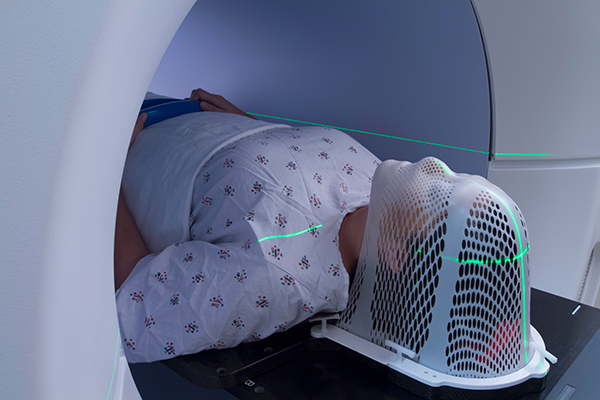
If a patient is physically unable to tolerate intensive chemotherapy, NCCN guidelines state that radiation therapy can be utilized as a first-line treatment. More commonly, radiation is used after initial chemotherapy to eliminate any lingering cancer cells.
Because PCNSL can develop in multiple areas throughout the central nervous system, whole-brain radiation therapy (WBRT) is the standard approach. However, because WBRT carries a well-documented risk of long-term cognitive deficits, clinicians carefully weigh its risks and benefits.
“We always say, ‘We don’t want to go to radiation because we worry that radiation can have damaging effects in the long term on patients, but it doesn’t mean that we can’t use it, or we don’t have to use it,” Dr. Nayak said. “If people are declining very quickly, that needs to be considered. There are many factors I would use to make a decision: the rate of the tumor growth, the rate of the neurologic deterioration, how much time they have, and how much time it is going to take for what you’re thinking of using [for treatment].”
Managing Relapsed or Refractory PCNSL
While most patients experience remission after their initial treatment, the Annals of Lymphoma reports that up to 50% of patients will experience refractory or relapsed disease after first-line chemotherapy.
Most relapses occur within two years of diagnosis, though the risk of recurrence persists even a decade later.
Refractory Primary CNS Lymphoma
Refractory primary CNS lymphoma is when the cancer does not respond to initial treatment, never achieves complete remission, or progresses during treatment. An article in Annals of Lymphoma reports that an estimated “10-15% of newly diagnosed PCNSL are refractory to high-dose methotrexate therapies and inherently have more aggressive disease.”
Relapsed Primary CNS Lymphoma
Relapsed primary CNS lymphoma occurs when the cancer initially responds to the initial treatment, but then the disease returns later.
Treatment Options for Refractory or Relapsed PCNSL
Unlike treatment for newly diagnosed patients, there is currently no standard of care for refractory or relapsed primary CNS lymphoma (R/R PCNSL).
When the disease resists the initial treatment or returns after a period of remission, a patient’s care team will evaluate options based on prior therapies and overall health.
Traditional approaches to managing R/R PCNSL may include:
High-dose methotrexate rechallenge (undergoing this chemotherapy regimen again, especially if the patient responded well the first time and relapse occurs after several years of being in remission)
Whole-brain radiation therapy or focal radiation therapy
High-dose chemotherapy followed by autologous stem cell transplant (if not previously given)
Clinical trial options are also important to consider for patients with R/R PCNSL. In fact, NCCN guidelines recommend “that everyone with primary CNS lymphoma consider joining a clinical trial for treatment.”
Patients, caregivers, and loved ones can look for clinical trial options through NBTS’s Clinical Trial Finder and discuss their options with their care team.
Clinical Trials and Targeted Therapies for PCNSL
Developing well-tolerated, innovative treatments is critical because a large percentage of the patient population cannot physically endure these intensive therapies.
“About 50-60% of people don’t actually qualify for some of these aggressive chemotherapy-based therapies or autologous stem cell transplant,” Dr. Nayak said. “That’s part of the reason understanding how BTK inhibitors or CAR-T cell therapies work in this space and how well they are tolerated by older people is important to the field.”
BTK Inhibitors
Primary CNS lymphoma is heavily driven by a chemical pathway called the B-cell receptor signaling pathway. This discovery has opened the door to targeted therapies, notably Bruton tyrosine kinase (BTK) inhibitors.
Inside cancerous B cells, a specific protein called BTK stays permanently switched on, sending continuous chemical signals that order the cell to grow rapidly and survive. BTK inhibitors work by entering the lymphoma cell and attaching directly to this protein. By blocking its activity, the drug shuts off the faulty growth signals, causing the cancer cells to stop dividing and die.
The phase II PROSPECT trial evaluated a once-daily oral pill called tirabrutinib in patients with relapsed/refractory PCNSL, as well as a combination treatment with high-dose methotrexate in newly diagnosed patients.
The drug successfully shrank tumors and improved brain-related symptoms in roughly two-thirds of patients, keeping the disease under control for over nine months — an improvement over traditional treatments. The drug has since progressed to a phase III trial, which is currently enrolling patients.
Previously, the U.S. Food & Drug Administration (FDA) granted tirabrutinib orphan drug designation, a special status that provides financial incentives to companies developing treatments for rare diseases. In February 2026, the FDA accepted an application to consider the drug for accelerated approval for relapsed/refractory PCNSL, with a decision expected in December 2026.
Because this treatment is a simple pill taken at home rather than a complex hospital infusion, it dramatically increases accessibility. As Dr. Nayak points out, “This is the kind of therapy that can be available and offered in smaller community oncology centers as well. Importantly, it works very quickly — an aspect that is important in rapidly progressive brain tumors”
CAR T-cell Therapy
CAR T-cell therapy is a highly advanced form of immunotherapy. It involves removing a patient’s own T cells (a type of immune cell), genetically reprogramming them in a laboratory with a special protein that acts as a radar to identify cancer, and infusing them back into the patient in large numbers to hunt down and destroy lymphoma cells.
Historically, patients with primary CNS lymphoma were excluded from CAR T-cell therapy clinical trials due to concerns over potential neurological side effects. However, recent clinical data from Dr. Nayak and her team at the Dana-Farber Cancer Institute helped demonstrate that CAR T-cell therapy could be used safely in some patients with PCNSL. These findings prompted the FDA to allow patients with PCNSL to receive a type of CAR T-cell therapy.
“The recommendation was to lift that exclusionary criteria,” Dr. Nayak said. “That’s still a huge win for our patients because this allows it to be accessible to those with relapsed/refractory primary CNS lymphoma now.”
Dr. Nayak considers many factors to determine whether a patient might be a fit for CAR T-cell therapy:
What is the location of the tumor?
What is the timing from when they received the last treatment?
What is their physical condition?
How is their body function otherwise, not just neurologically — what is their organ function like? How are their kidneys? How is their heart?
Are they able to tolerate the treatment?
“CAR T-cells work really well based on our experience, but it takes about three months after initiation of treatment to achieve what we call best response,” Dr. Nayak said. “Because it’s a type of immunotherapy, we’re increasingly recognizing that in the beginning we might see some inflammation in the brain in a small number of patients.”
They gave me an informed consent form to review, which I found reassuring because it explained what could happen. I was also told many times that I could stop this treatment at any time.
They did a lot of testing and bloodwork — much more than before — along with echocardiograms, X-rays, MRIs, and ultrasounds. I was eventually approved and stayed in Boston for six weeks. Before they started CAR T-cell therapy, they had me do one more round of chemotherapy to try to clear as much of the disease as they could to give the CAR T-cells a fighting chance.
After they took the blood they needed from me, they sent it out for the actual CAR T-cell therapy to be done. Once it was ready, I went back to the hospital. Someone came in with a long tray that looked like it had been frozen, and they injected the CAR T-cells. We stayed in the hospital and then the Boston area for four more weeks to be monitored. During that time, I dealt with a lot of fatigue.
In the five years since, my MRIs have all looked good. I still do immunotherapy every six weeks because they decided that CAR T-cell therapy and immunotherapy were what would work best for me. I have pain and swelling in my right leg because of the steroids given to me to reduce brain swelling, which ultimately caused avascular necrosis. That’s my biggest problem, so I don’t walk as much as I used to. But overall, I’m grateful for where I am today.
I think research is very important. I had no idea about CAR T-cell therapy and that your DNA cells could be reprogrammed to fight cancer.
I was given a second chance at life because of research. How can they advance new treatments if they don’t fund research? That’s why I advocate for research at Head to the Hill.” — Susan G.
Lingering Side Effects
Treatments for primary CNS lymphoma can have lasting effects on the brain, including long-term cognitive changes such as challenges with memory, processing speed, and word-finding.
“I’m not as sharp as I was,” Neil said. “I developed code and software. There was one time when I picked up a piece of code and couldn’t understand what it was. I had written it before cancer. I also really struggle with word associations. After treatment, I had gaps in my memory and ability to put it together. My doctor told me, ‘You traded some of your mental acuity for longevity.’”
Adjusting to this new normal requires patience from both survivors and families. For survivors, it can be easy to focus on the cognitive abilities lost, while caregivers can see the bigger picture of recovery.
“From my perspective, he doesn’t see how far he’s come,” Dawn said. “We had an hour-long assessment done a year after treatment because he was so worried about his memory. They told him he had nothing to worry about after the assessment.”
Looking Ahead
Right now, researchers are actively looking for better ways to predict how a patient’s disease will behave. While biomarker testing is standard in many other cancers, including most brain tumors, to help predict prognosis or treatment response, that’s not yet the case for primary CNS lymphoma.
“Unfortunately, at this time, we don’t have any specific biomarkers [for PCNSL] that can predict response to treatment or overall survival,” Dr. Nayak said. “We conduct experimental biomarker tests in our group, in the context of clinical trials.”
Scientists are working to find more effective, targeted treatments, such as BTK inhibitors and CAR T-cell therapy, with the goal of achieving tumor remission, long-term disease control, and improvement in neurocognitive function after the first line of treatment.
“At the end of the day, the goal is that patients are cured upfront, and that we don’t have to find options for when it comes back,” Dr. Nayak said. “One hit to the brain is hard enough. Multiple hits to the brain, even with good treatments, are damaging to the brain and its recovery.
“These are very unique aspects of brain tumor patients to consider when we think of therapies. We want to drive the field forward and modify treatments to make them very robust from the beginning.”
Blog Post Supported By
Patient & Caregiver Toolkit
Patients and caregivers are our top priority. National Brain Tumor Society equips patients and their care partners with the tools and resources they need to navigate every step of their unique health care journey — from understanding their diagnosis and building their medical team to making decisions about treatment, including accessing clinical trials and palliative care.
Explore our patient and caregiver toolkit to empower yourself with the resources and support you need throughout your brain tumor experience.