This website uses cookies that help the website function and that help us understand how you interact with it. Please read our privacy policy for more information.
I began having nighttime seizures in August 2023. They were very painful; I would bite my tongue until it bled, shake uncontrollably, foam at the mouth, and stop breathing. I was put on anti-seizure medication immediately, but every month I would have another one, almost like clockwork.
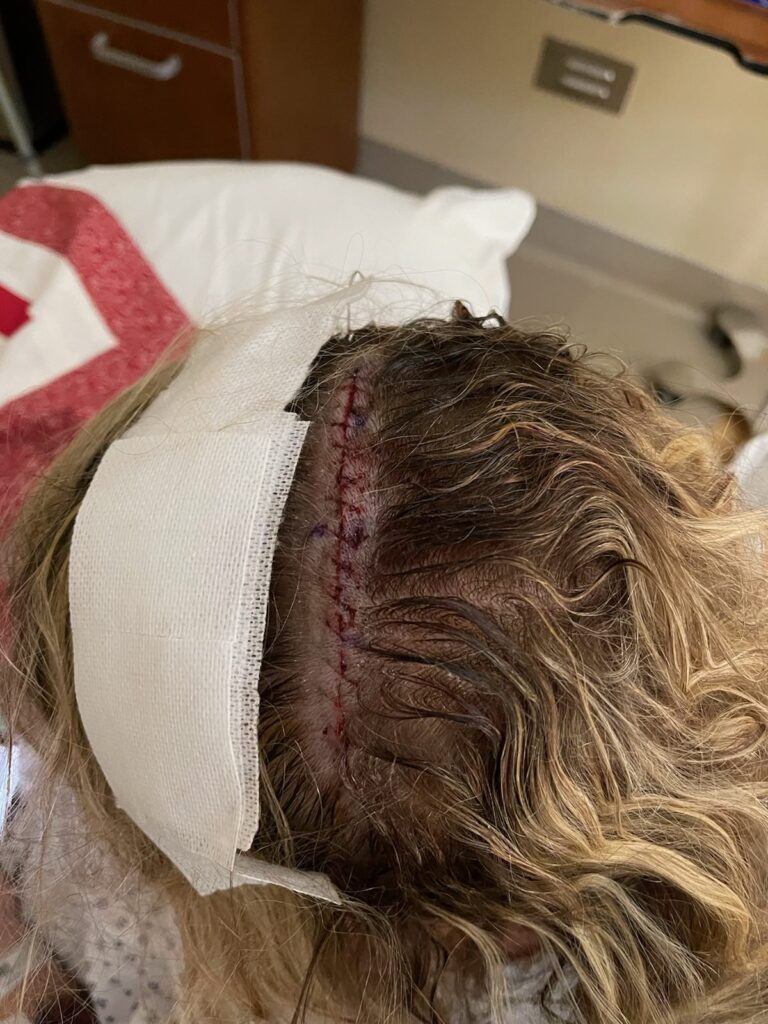
After five or six seizures, I was given an MRI, which came up abnormal. I noticed words like ‘glioma’ and ‘gliosis,’ but my neurologist continued to increase my anti-seizure medication. By the eighth seizure, I had another MRI and was finally referred to a neurosurgeon. My surgeon was no-nonsense and cut straight to the chase: I needed brain surgery. My family wanted second opinions, but I had come to the realization that if there was something up there, I wanted it out! So, my craniotomy was scheduled for June 18, 2024.
Surgery day came, and I went in unafraid, the thought of cancer the FURTHEST thought from my mind. My resection was successful, with an unfortunate side effect: I was paralyzed on my right side. My surgeon indicated that my tumor was in the motor planning part of my brain, which is right next door to my motor skills part.
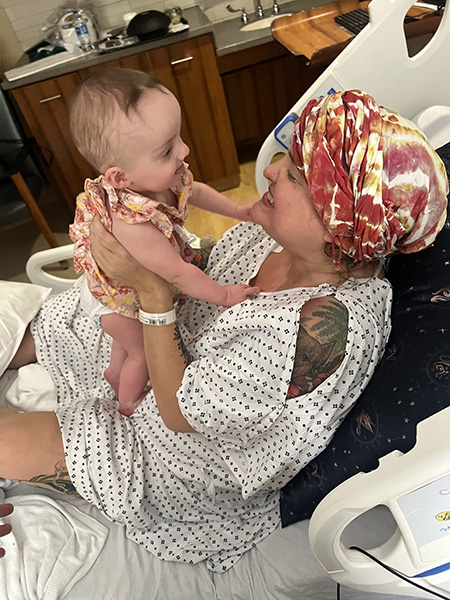
The swelling after surgery pushed on that part, and I couldn’t move my right side. I spent a week in the neuro ICU at the hospital until I was transferred to a rehab facility to learn to reuse my right side. Two weeks later, I was home and doing outpatient physical and occupational therapy, and basically all of my motor skills returned to 90% normal!
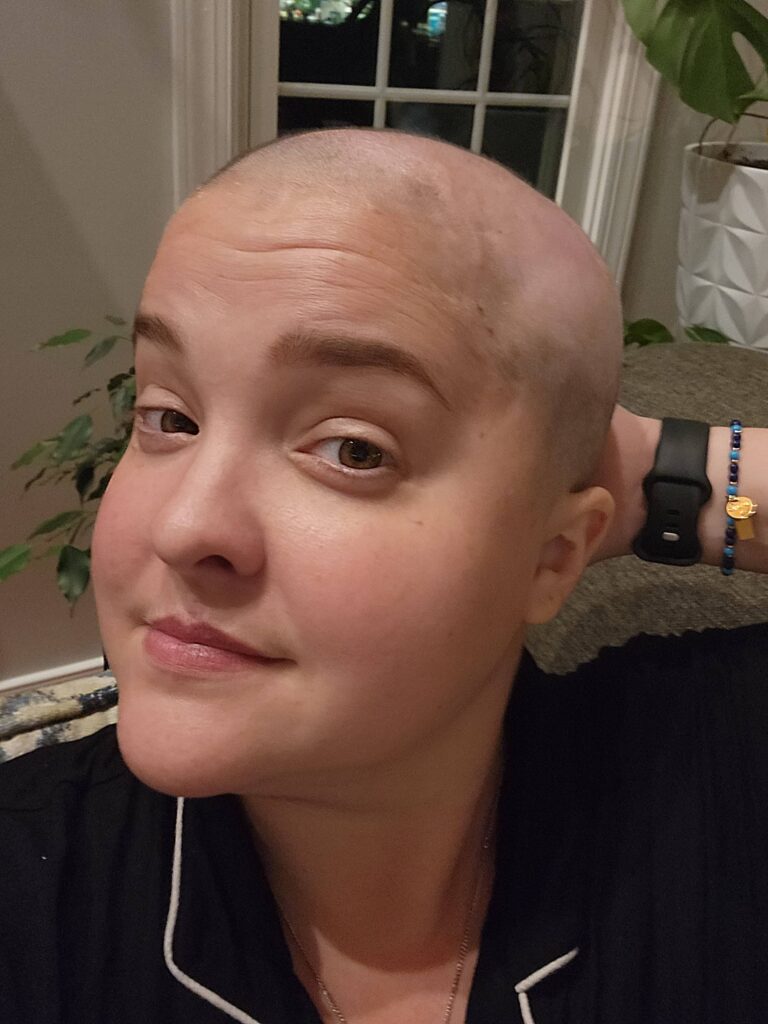
It took five weeks to get the official diagnosis. I had grade 4 glioblastoma (GBM), a fast-growing and most fatal of brain tumors. In August, I started the aggressive 6-week treatment of radiation five days a week and oral chemotherapy seven days a week. I was very lucky in that I felt almost none of the usual side effects of treatment other than exhaustion. Losing my hair was probably one of my darkest days, but my father shaved his with me! From there, I started the monthly chemotherapy medication schedule of five days on, 28 days off, and I’ve been doing that from September to this very day.
Fundraising for Research
I think my reaction was not what people expected, even myself. I wasn’t angry or depressed, I was numb. I did minimal research on GBM before surgery because there was NO way my pea-sized tumor could be cancerous. How could my brain even begin to process this information that I had thought to be simply impossible?
Once the news settled, my mind raced with thoughts like never getting married or having children of my own, my parents burying their first child, my niece growing up never knowing her ‘auntie sissy’. My family and friends immediately rallied behind me, wanting to do anything and everything they possibly could, but what could they do? So, I simply asked them to pray, to be there for me when I needed them, and to treat me as normally as they possibly could.
I took a deep breath and began to dive into the world of brain cancer and GBM. I bought every book on the internet I could find about brain cancer and glioblastoma. I didn’t want to live in denial, pretending this wasn’t happening. I wanted to educate myself, I wanted to understand what was going on inside my body, I wanted to find survivors and hear their stories of successes and heartbreaks.
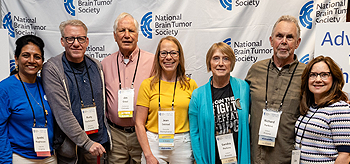
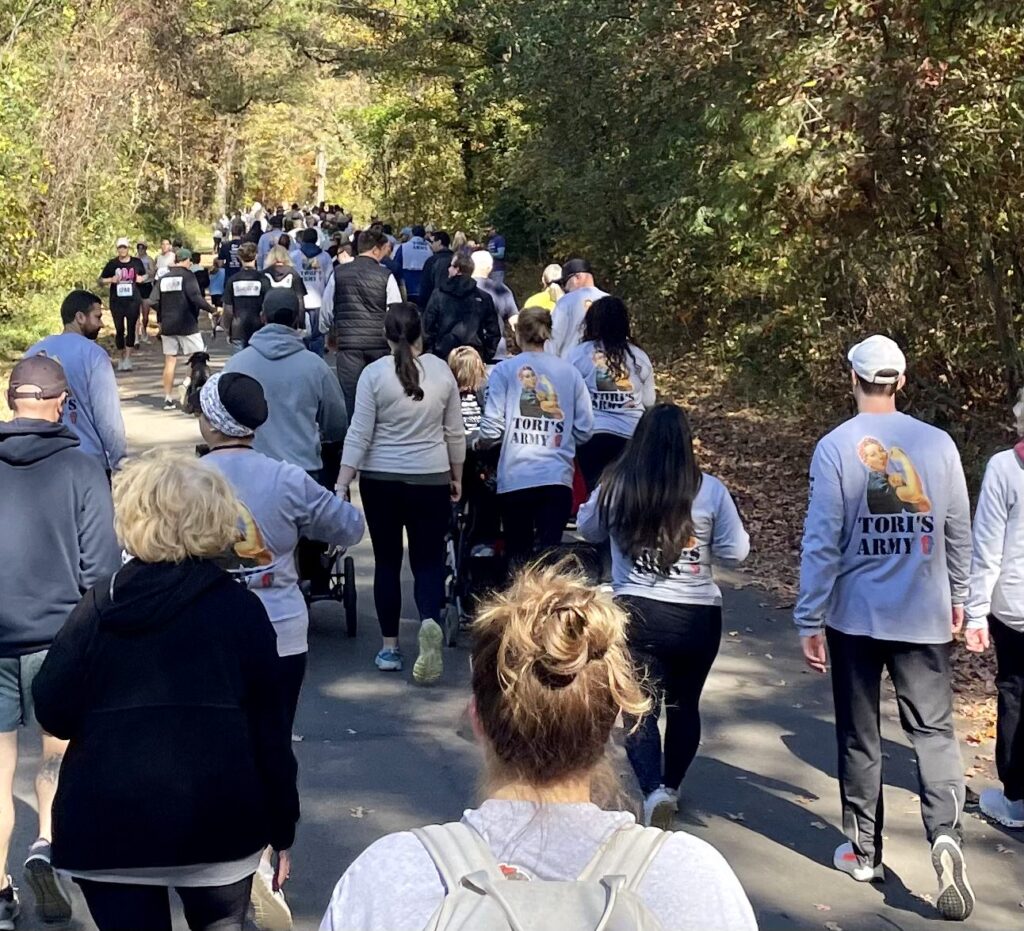
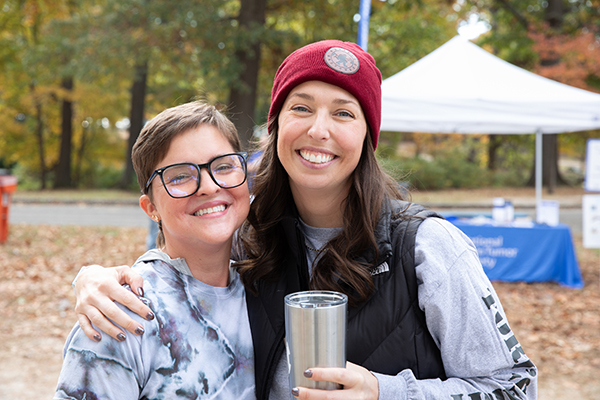
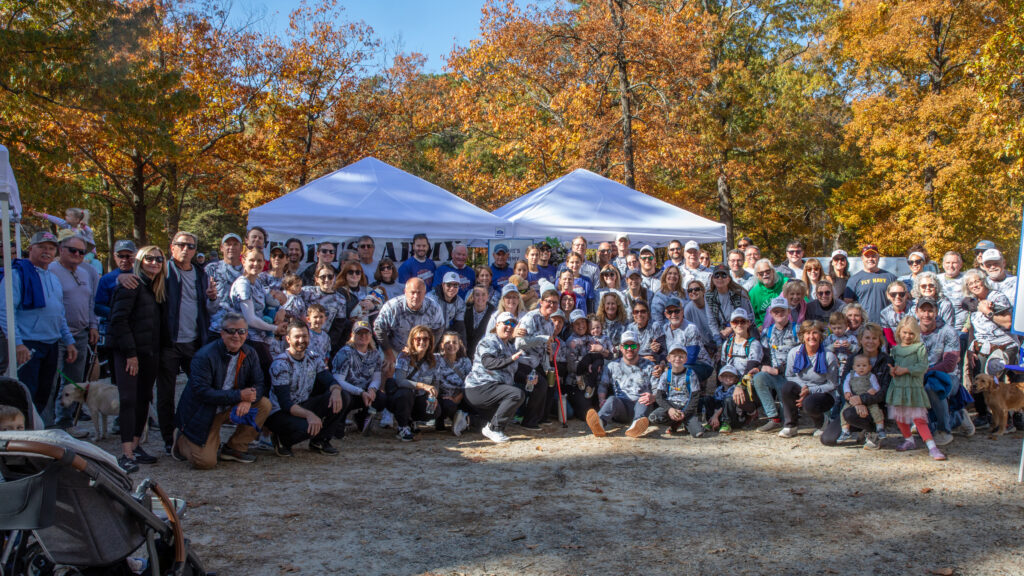
Most importantly, I wanted to help in any way I possibly could — awareness, clinical research, fundraising, absolutely anything. In November 2024, the National Brain Tumor Society’s Virginia Brain Tumor Walk & Race came to my hometown of Richmond, Virginia. I created my team, Tori’s Army, and raised over $45,000 in donations for NBTS. The event raised more than $159,000 in total. Now I find any opportunity I can to help this amazing cause that is fighting to keep me alive. It gives me purpose.
Finding Community
I NEEDED a community not only that I could support and support me, but also one that knew exactly what I was going through. The support of my loved ones is pivotal to my survival, but I also found that I get so much more out of life by talking to survivors and loved ones who have lived through this — both those who are still fighting and those who are no longer with us.
There is no such thing as too much support, as too big of a community. By just mentioning brain cancer in conversations with acquaintances and passersby, I have connected with so many people in the community — survivors, loved ones, doctors, researchers, etc.— that I never would have if I had not spoken up about it.
Update: April 2026
Since I first shared my story, my journey with glioblastoma has taken some turns I didn’t expect, but I’ve also found new reasons to be hopeful. After finishing radiation and my initial cycles of chemotherapy, I hit a major crossroad.
The Reality of Recurrence
In December 2024, spots on my MRIs started getting brighter. By June 2025, it was confirmed: I had a recurrence. Glioblastoma has a 97% recurrence rate, and I found myself facing two new tumors that eventually bridged into one.
I switched my care entirely to the Duke Brain Tumor Center. My tumor is currently inoperable because of where it’s located — it’s so deep that a biopsy or surgery could be fatal. Finding the right care team led me to a new treatment opportunity.
When I got to Duke, we discovered I have a mutation called FGFR3, which is only seen in about 3% of glioblastoma patients. While I hate having this diagnosis, I’m strangely grateful for biomarker testing and this mutation because it opened a door I previously didn’t know about.
This mutation is also found in bladder cancer, so Duke recommended that I begin a drug called Balversa (erdafitinib), which is used to treat bladder cancer with my same mutation. I was the seventh GBM patient to be on it at Duke. I take two pills a day, and the results have been incredible:
Stability: I haven’t had any tumor growth in nine months.
Seizure Control: I’ve gone from having four seizures a day to maybe four a month.
Mobility: I went from not being able to walk at all to using a walker, and now I’m back to using a cane everywhere I go.
Traditional treatment didn’t work for me. New treatments make our lives last longer, and I am fortunate enough to be grateful to have a mutation that could have been so deadly, but because of research, even with another type of cancer, I’ve been able to get on a drug that has helped me stop the growth of a tumor that is inoperable and could have killed me long ago. I’m so grateful for that.
Why I Still Fundraise
2025 Tori’s Army
Last year, my Virginia Brain Tumor Walk & Race team, Tori’s Army, showed up again and raised $26,973. It blows my mind to see people I haven’t talked to since high school donating and supporting this cause.
I fundraise for the National Brain Tumor Society because we deserve to live. Traditional treatment often fails because of the blood-brain barrier, and we desperately need to find new mechanisms to cross it. We need more research so that when one treatment fails, every patient has another one they can try.
My parents don’t deserve to bury their daughter. My sister and brother don’t deserve to lose their sister. Our lives are important. We deserve more resources and more chances.
Right now, it feels like a waiting game between MRIs. It’s a ticking clock.
Embracing “Cancer Perks”
I’m 37 years old, and I have a lot of life left to live. While I deal with extreme exhaustion and the reality that I may never get married or have children, I’m focused on “cancer perks” — checking things off my bucket list while I can.
I’ve traveled to Slovenia, Italy, and Croatia, taken an Alaskan cruise, and visited Harry Potter World. My next adventure is a tour of the Pacific Northwest to see the mossy forests and the Oregon coast. And I get a new tattoo at every single place we visit.
My message to anyone else on this journey is simple: Talk about it. Don’t keep it inside. Sharing our stories is how we form the “spider webs” of connections and resources that help us all survive just a little bit longer.
Glioblastoma Awareness Day
Tori said, “If I knew next to nothing about this type of cancer, I cannot fathom how many others know nothing about it as well! This is one of the most lethal types of cancer, with so little national recognition. Our research desperately needs funding, our stories need to be heard, and our loved ones deserve as much time with us as possible. I don’t want a single brain tumor sufferer to feel alone or unsupported. I want to shout it from the rooftops, hang banners in every window.”
Join Tori and the National Brain Tumor Society as we come together on July 15, 2026, for Glioblastoma Awareness Day. For everyone living with a GBM diagnosis, it’s time for a better chance.