This website uses cookies that help the website function and that help us understand how you interact with it. Please read our privacy policy for more information.
I was serving oatmeal at a retirement home — a job I’d taken just for fun after retiring from 28 years as a recreation therapist at the VA — when I dropped the oatmeal, looked at my boss, and said, “Something’s not right.”
I am 62 years old, a former triathlete, and a lifelong Kentuckian who has always been an investigator by nature. But I had been missing the signs for weeks, brushing off my clumsiness as senior moments. I was dropping things because of a left-sided weakness I didn’t know I had. On St. Patrick’s Day, I couldn’t figure out how to put a harness on my son’s dog, even though I’d done it a hundred times. Then, I got lost driving 150 yards to work and had to use Google Maps to find my way.
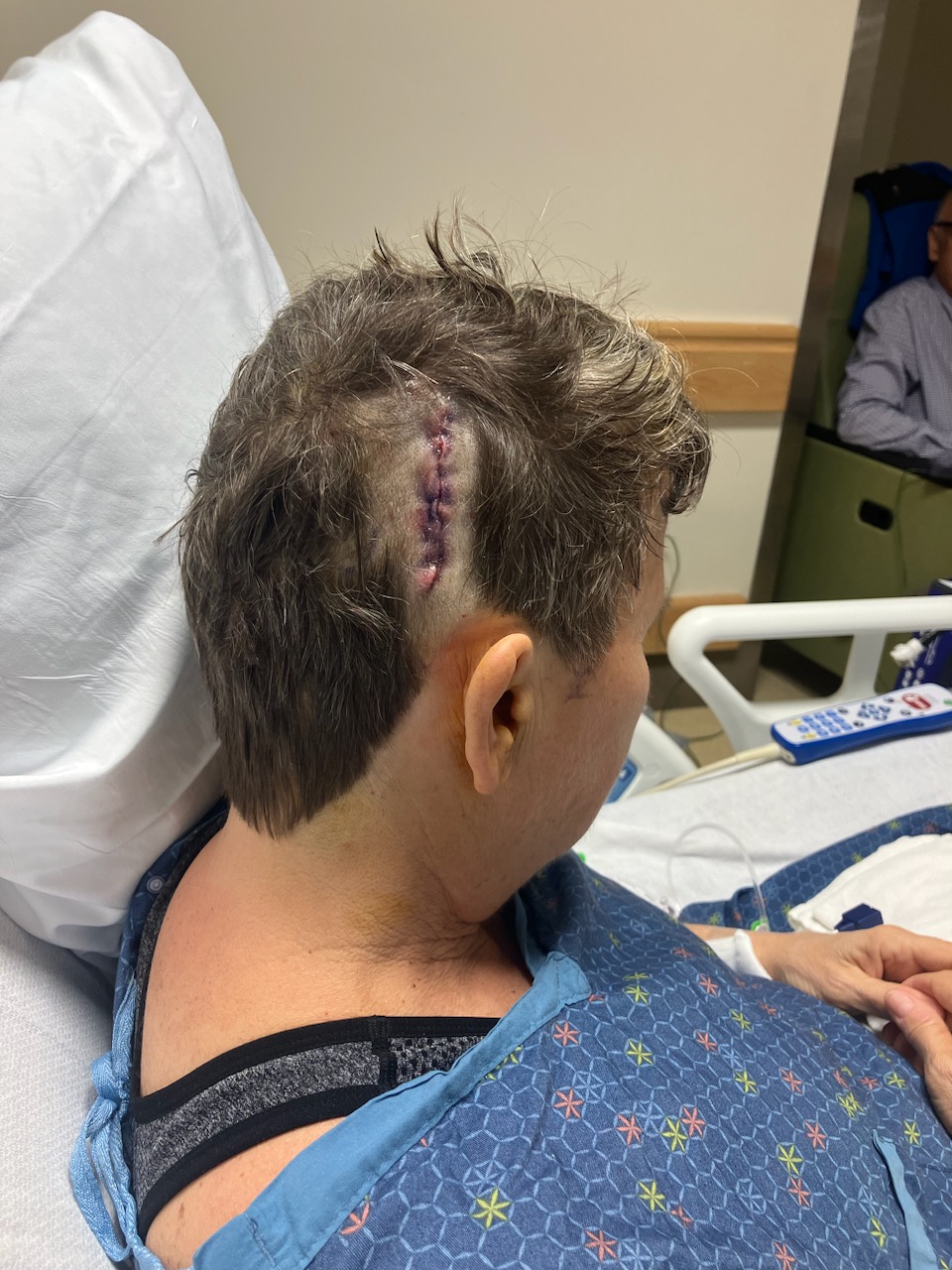
When I finally went to the emergency department, the scan revealed a brain tumor. We found a wonderful surgeon at the University of Kentucky, and I had surgery just two days after my diagnosis.
“Just Not Glio”
My father died of glioblastoma (GBM) in 1990, and my only goal was to hear that I didn’t have the same thing. I actually found my pathology results on my medical chart at three in the morning. I opened it alone because I wanted to experience that initial reaction on my own, to let it be mine before feeding off everyone else’s emotions. I saw glioblastoma in my chart, I cried, and then I got over it.
Considering a Glioblastoma Clinical Trial
Once we moved into the treatment phase, my neuro-oncologist began asking me detailed questions about my health. I could see him lighting up because he realized I was a perfect candidate for a specific phase III clinical trial.
The trial involved the standard of care — radiation and chemotherapy — plus one extra FDA-approved medication called lomustine. I didn’t feel like a “guinea pig.” I felt like I was getting the best possible chance. My husband and I didn’t even need much discussion. We just said, “Let’s do it.”
The Reality of Treatment
The glioblastoma clinical trial experience was incredibly well-coordinated. I worked with a trial coordinator who handled all my appointments, so I only had to show up. I was blessed to live only four miles from the medical center. I even walked to most of my treatments.
My treatment ran on 42-day cycles. I would take the lomustine on day one, followed by five days of standard chemotherapy. The biggest hurdle was the fatigue. Days two through 12 of the cycle would leave me feeling exhausted, and I couldn’t eat very well. Food tasted a little funny, but then it would go back to normal.
It wasn’t just being tired; it was a sensory overload. I would need to shut everything out — no TV, no music — for an hour just to recharge my brain. My blood work was rocky at times, which caused some delays, but I recently finished my sixth and final cycle of the trial.
I’m now just following standard of care for the remainder of treatment.
Why I Believe in Research
To anyone considering a trial, I want you to know that the research community in the U.S. is very safe. One of the most reassuring things for me was that I could stop at any time, for any reason. I asked that question five times because I didn’t know what I was getting into, and they always reminded me that the choice was mine.
Why not give it a shot? GBM doesn’t have a cure yet, and participating in research is a way to give back. Plus, you might be the outlier — the one where it works.
Living for Today
The science says it’s just a matter of time before it starts growing again. Even though I put on a good face, I’m tired. My life doesn’t revolve around this, but a lot of my brain power — more of it than I wish — goes to thinking about it.
A terminal diagnosis doesn’t mean you’re dying right now. In a way, this has been a blessing because I’ve slowed down and fixed my priorities. I’ve taken one-on-one trips with each of my four kids, and I’m working through a bucket list of “little dumb things,” like going down a massive water slide with my son.
I’m still me. I put on a good face, I enjoy being bald, and I’m making the absolute best of the time I have.
Watch: MyTumorID Clinical Trials Webinar
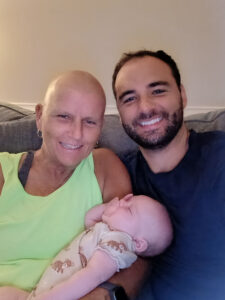
Mary’s father was diagnosed with GBM over 30 years before she was, but the treatments remained unchanged. That’s why she wanted to enroll in a clinical trial.
Clinical trials play a critical, proven role in advancing treatments, yet enrollment in them remains low, delaying access to new and better treatments. That’s why NBTS launched MyTumorID® to educate patients and care partners about identifying their treatment options, including clinical trials, so they can make informed decisions about their care.
Watch our Let’s Talk About Clinical Trials webinar to hear from an expert in the field about what clinical trials are, how they work, and why discussing them early in your treatment journey matters.