This website uses cookies that help the website function and that help us understand how you interact with it. Please read our privacy policy for more information.
When Kim M.’s husband received an initial brain tumor diagnosis after surgery, his physician delivered a devastating prognosis, suggesting there was little left to do. Refusing to accept that a single conversation defined their path forward, Kim sought a second opinion.
That second consultation included comprehensive biomarker testing, which revealed a different diagnosis. His tumor was actually grade 3 oligodendroglioma with mutations that would open up clinical trial opportunities down the road that weren’t on the table before.
“I’m a bulldog patient advocate and like to get a lot of information,” Kim said. “You’ve got to get a second opinion with someone who knows that you’ve got to get these biomarkers because it can change the trajectory of your life.”
Their experience emphasizes how a second opinion is valuable at any stage of care. While much attention is rightly given to seeking guidance before brain surgery, a second opinion at any time can reshape a patient’s care plan.
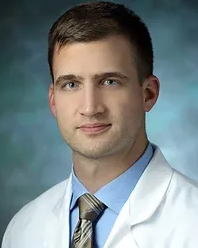
Christopher Jackson, MD
Every brain tumor is considered a rare disease, which comes with unique hurdles including diagnostic delays and limited treatment options. When a diagnosis is rare and complex, specialized care is essential.
A patient can’t control that they have a brain tumor or the symptoms they’re facing, and they can’t control what a surgeon does once they’re under anesthesia or once the radiation beam is turned on. “But everything in between, you have choices, and so you should avail yourself of that,” says neurosurgeon Christopher Jackson, MD, Director of the Acoustic Neuroma Center at Johns Hopkins.
To help you navigate second opinions with confidence, the National Brain Tumor Society spoke with neuro-oncology experts and community members to answer key questions about seeking a second opinion for a brain tumor diagnosis and care.
National Brain Tumor Society does not endorse any treatments, procedures, or physicians referenced in this blog post. The information in this blog post is provided for educational purposes only and is not intended to serve as medical advice.
Do I have the right to a second opinion for a brain tumor?
Yes, you have a fundamental right to seek a second opinion. According to the American Medical Association’s (AMA) Patient Rights, every patient has the right to obtain a second opinion and to receive copies or summaries of their medical records.
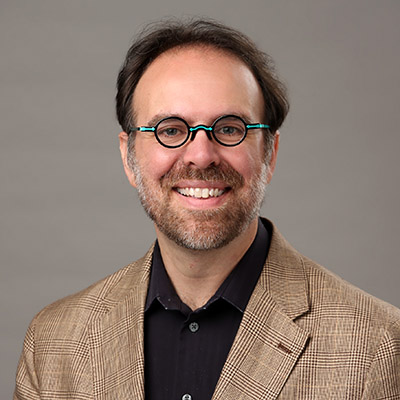
Edjah Nduom, MD
“What many patients or families won’t know — it’s hard to get this information out to people ahead of time — is that there actually tends to be a lot of time to think about the next steps when there is an imaging diagnosis of a possible brain tumor,” said neurosurgeon Edjah Nduom, MD, Director of the Brain Tumor Center at Winship Cancer Institute of Emory University. “It is actually very, very rare that someone shows up, even in the emergency room department, with symptoms of a brain tumor and actually needs a capital ‘E’ emergent surgery, or surgery that needs to be done within the next 24 hours.”
“The variety of medical care really is huge,” said Emily T., who has acoustic neuroma. “So often we’re trained to take whatever doctors say as gospel truth and just do what they tell us. And it can be really hard to buck that authority. It’s easy to just go with the first doctor. You should definitely shop around.”
Many patients hesitate because they worry about offending their current care team or damaging their existing doctor-patient relationship by asking for a second opinion. Brain tumor specialists view a patient’s desire for a second opinion not as a lack of trust, but as a routine step in navigating a diagnosis.
Byram Ozer, MD, PhD
“By and large, most of us in this discipline have no ego about second opinions, especially in rare tumors, where you may have a certain level of comfort or discomfort with it,” said neuro-oncologist Byram Ozer, MD, PhD, Co-director of the Neuro-oncology Program at Winship Cancer Institute of Emory University. “I think a lot of us encourage people to get second opinions, wanting our patients to really be as well informed as possible, so that they can make a very difficult decision a little bit easier.”
And seeking a second opinion isn’t always about replacing your existing or local care team; it often can create a collaborative bridge between institutions or even validate the original diagnosis and treatment recommendations.
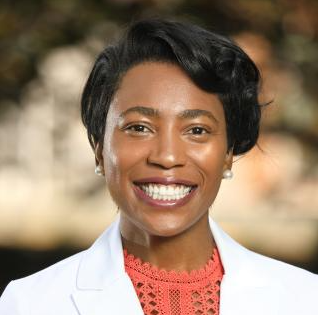
Sadhana Jackson, MD
“When you have that good relationship with your home oncology team, they understand that there are limitations to what they can provide and what is available at that institution,” said Sadhana Jackson, MD, a pediatric neuro-oncologist at the National Cancer Institute (NCI). “It should be a shared agreement of opportunities that are wider than what can be provided at that one location.”
Why should I get a second opinion for brain tumor care?
A second opinion may alter your diagnostic accuracy, surgical outcomes, quality of life, and long-term prognosis. Because brain tumors are rare and highly complex, seeking another expert perspective can help you:
Confirm your diagnosis and reduce the risk of medical errors
Find high-volume specialists with specific experience in your exact tumor type
Determine the safest, function-preserving surgical approach
Uncover other treatment options
Evaluate clinical trials and treatments tailored to your personal goals and lifestyle
Gain confidence and agency in your care plan so you can move forward with peace of mind
Below, patients and specialists share how getting a second opinion made a life-changing difference in their care.
1. Preventing Diagnostic Delays and Errors
Brain tumors can mimic other conditions or be misidentified on imaging or by pathology. A second look by another team, including a dedicated neuropathologist, ensures that your treatment plan targets the correct tumor type from the start.
One study reported in The American Journal of Medicine found that second opinions often changed the diagnosis (14.8%) or treatment (37.4%) across specialties.
“Back in 2018, I started complaining of headaches and dizziness,” said Amanda D., who was eventually diagnosed with meningioma in 2024. “I had probably over 10 scans and wasn’t diagnosed — even after a seizure. I happened to catch my second seizure on camera, and that’s when they believed me. They did another scan, which is when they found the tumor. I got a second opinion, and he pulled up the imaging from every scan since 2018. He said the tumor was always there — just smaller. All these years, I just kept getting pushed off and considered a hypochondriac.”
In some cases, a revised diagnosis completely changes the treatment protocol, preventing unnecessary or even high-risk procedures.
“When my father had surgery for a large brain tumor, the doctor believed it was benign,” said Danielle D. “In the middle of surgery, they told us it wasn’t benign, and they believed it was glioblastoma. When pathology came back later, it was actually CNS lymphoma. We later learned that surgery is not recommended to remove CNS lymphoma, but his initial team had already removed a portion of his brain with it. We immediately switched providers to Johns Hopkins, where he enrolled in a clinical trial. He has been cancer-free since 2016 but with a traumatic brain injury that presents very much like dementia. I always recommend that people get a second opinion.”
2. Accessing High-Volume Surgeons and More Precise Surgical Approaches
“I think second opinions are very important,” said neurosurgeon Aaron Cohen-Gadol, MD. “Experienced surgeons can provide a much more effective resection. Surgeons who specialize in the removal of [a specific tumor type] tend to have better outcomes and can remove an additional portion of the tumor safely. That can really affect the lifespan of the patient. Your health is your most important asset. Therefore, you should get the best surgeon to take care of you.”
For Giancarlo L., getting a second opinion kept him out of an emergency operating room with an inexperienced team.
“The local ER told me they found a mass on my brainstem and that I had to go into surgery right away,” Giancarlo recalled. “A colleague warned me not to let anyone operate without a second opinion. It turned out I would have been that local surgeon’s first ependymoma case in the fourth ventricle [of the brain]. Instead, I chose a neurosurgeon who had operated on close to 100 ependymoma cases, including one about 30 days prior to my surgery in the exact same spot. Because of that experience, he achieved a gross total resection, lowering my risk of recurrence and sparing me from radiation. If it’s not a life-threatening and emergent issue, absolutely get a second or third opinion.”
A second or third opinion can also reveal other surgical approaches that may dramatically preserve quality of life.
“My initial second opinion consultation at one institution was terrifying as the surgeon outlined significant risks, including stroke, permanent pituitary damage requiring lifelong hormone replacement therapy, and possible cognitive deficits,” said Ivy L., who was diagnosed with a pituitary tumor. “As a mother of two small children, hearing those possibilities was overwhelming. When we sought another opinion with UCSF, his approach was completely different. He could perform a transsphenoidal resection, accessing the tumor directly through the nasal cavity rather than opening the skull. Because he performs hundreds of these procedures a year, he felt confident he could remove the tumor with minimal damage to surrounding structures, with a lower risk of side effects.”
3. Uncovering Other Treatment Options
Lower-volume hospitals may classify a tumor as inoperable and recommend non-surgical treatments. However, high-volume surgeons at specialized centers may feel confident operating safely because of their deep experience with complex tumor locations.
“My biggest piece of advice is to seek more opinions,” said Nicky T., who received treatment for acoustic neuroma. “Don’t feel like you have to go with the first opinion you receive. Get two or three opinions, especially when you’re deciding on the next step in your care. I didn’t do that at first. Later on, when I did get more opinions, doctors told me they would never have done the Gamma Knife [stereotactic radiation]. They would have operated on me.”
Nicky continued, “That is hard to sit with, but it’s also why I share it. I want other people to know they are allowed to ask questions. They are allowed to slow down, get another perspective, and advocate for themselves. I don’t think there is always one perfect answer. The right answer is the one you feel confident in — the one your heart can live with.”
In other instances, an expert second opinion might uncover a targeted therapy based on your tumor’s biomarkers or a clinical trial that you could enroll in, potentially delaying or eliminating the need for surgery or radiation.
4. Tailoring Treatments to Your Goals
Every patient has their own values, goals, travel limitations, and risk tolerances. A second opinion can help match your treatment plan and potential clinical trial opportunities to what matters most to you at this stage of life.
“Not every patient wants to travel for a clinical trial, so it’s important to understand your own interests and boundaries,” Dr. Sadhana Jackson said. “Some trials only require one visit to the institution with follow-ups done at home, while others require monthly visits. If you aren’t willing to drive more than two hours to get care, communicate that to your team so they can recommend a second opinion in your local area. But if you communicate that you are open to travel and state, ‘I want to be able to walk my child down the aisle or be there at graduation by any means necessary,’ then we will look broadly for trial options.”
The Timing for a Second Opinion (The “When”)
When should I get a second opinion for a brain tumor?
You can seek a second opinion at any point during your brain tumor experience. You don’t need a major change in circumstances or an obvious red flag to justify getting one.
While many patients wait for a “pain point” before asking for another perspective, the ideal time to get a second opinion may be proactively, when you have time to digest information and explore your options.
Second Opinion Windows of Opportunity
1. Immediately After Initial Diagnosis
Before starting any treatment, including surgery, getting an expert review validates the initial diagnostic findings and ensures you start with a team you’re comfortable with.
“Upon learning of my glioblastoma diagnosis in the ER, I was told I could have surgery the next morning,” said Mary P. “It’s such a shock to get that diagnosis, and brain surgery is pretty major, so I needed to digest it. We are thinkers and investigators, so we got a second opinion.”
2. When You Have Multiple Treatment Options
Many brain tumors, such as acoustic neuromas, meningiomas, and low-grade gliomas, have multiple treatment strategies, ranging from active surveillance (“watch and wait”) to surgery or radiation. A second opinion can help you weigh these options with confidence.
“I start my conversation with patients by framing what the treatment options are and the likely consequences,” said Dr. Christopher Jackson about his patients with acoustic neuroma. “For the vast majority of patients, there is no one-size-fits-all. There are cases where one option upfront makes more sense for a particular person and outcome, but in the vast majority of cases, patients are presented with this menu of options to navigate.”
3. Before Standard of Care Treatment
Sometimes getting a second opinion isn’t feasible before surgery, or perhaps the tumor is considered inoperable. Seeking a second opinion before starting standard-of-care treatment gives you control over the process, and it might open up a clinical trial opportunity.
According to the National Comprehensive Cancer Network’s (NCCN) 2024 guidelines, clinical trials can be an initial treatment after surgery for many brain tumor types.
“I think there’s this misconception that patients can either do standard of care or a clinical trial,” said Jenna Tozzi, RN, NBTS’s senior director of community. “In reality, a lot of these clinical trials for newly diagnosed patients include the standard of care, but may add in some sort of experimental treatment, thinking there may be some synergistic effect with the standard of care or it may boost the standard of care so that you see a greater and better response.”
4. During a “Honeymoon” or Stable Period
You don’t have to wait for a scan to show tumor growth to research your next steps. Meeting with specialists while your disease is stable lets you prepare for future steps without feeling rushed.
“I would even encourage a second opinion during the honeymoon period when things are going well,” Dr. Sadhana Jackson said. “It’s good to know what options are out there because new clinical trials open every day. You can ask your primary team, ‘If we get a repeat scan down the road and it looks ugly, what options are there out there?’ Talking to another team ahead of time means that if a future scan shows progression, you already have a plan in place and won’t face a delay.”
5. Upon Tumor Progression or Recurrence
Often there is no standard of care once a tumor begins growing again or stops responding to standard therapies. A second opinion may affirm the best course of treatment or connect you to targeted clinical trials.
Listen to Your Intuition
Sometimes, subtle signs or a gut feeling are enough reason to consult another expert.
“I don’t think that there needs to be a red flag for you to feel like you need to get a second opinion,” Dr. Sadhana Jackson said. “For any patient with a serious diagnosis, it’s smart to get another perspective to see how a different clinical team describes your condition and treatment options. You need to go where you’re most comfortable, and that isn’t something you can discover from looking at a doctor’s CV or reading online reviews — it’s a gut feeling. It’s important for you to feel comfortable asking questions of your clinical team.”
A few examples that might warrant a second look include:
Unanswered questions or feeling unclear about your care plan
Conflicting imaging or pathology reports
A lack of personal rapport
A belief that your care team is being too conservative or aggressive for your personal goals
“I was originally recommended to do a wait-and-see approach because it was a difficult area to operate on with a craniotomy because of where the tumor was located,” said Philip S., who was diagnosed with craniopharyngioma. “Something didn’t settle right with me about this advice. I went for a second opinion and was referred to a neuro-ophthalmologist. That’s where we discovered the impact on vision and that I was losing my peripheral vision at an alarming rate. This hospital offered a newer and less invasive transsphenoidal surgical approach.”
Navigating Types of Second Opinions (The “What” and “Who”)
What are the different types of second opinions?
Second opinions exist on a spectrum from informal to comprehensive reviews.
Tier 1 — A Curbside Consult or a “Gut Check”
An informal, quick review (a quasi second opinion) in which a patient or caregiver reaches out to a physician friend, relative, or contact in the medical field to see whether an initial plan sounds reasonable.
Dr. Sadhana Jackson explains, “A curbside consult is when you have a friend or family member in health care where you say, ‘Hey, I got some scans or lab work today, can you take a quick look and tell me what you think?’ It’s not to say that a curbside consult is bad — it’s just not the same level as having a neuro-oncologist or a tumor board spend 15 minutes looking at the imaging in detail and weighing in on what comes next.”
Tier 2 — A Formal Second Opinion
A formal second opinion is a comprehensive, official evaluation by an independent neuro-oncology specialist or team at a new institution. They review your full medical history, imaging, and pathology (if available) to provide a diagnosis and treatment recommendations.
“During a virtual or in-person visit, they walk you through their findings: ‘We see what your clinical team recommended, and we either agree with it, suggest additions to it, or recommend something else,’” Dr. Sadhana Jackson said.
Tier 3 — A Brain Tumor Board
This second opinion features a multidisciplinary panel at a single cancer center where a diverse team confers together to evaluate complex neuro-oncology cases. A brain tumor board typically includes neuro-oncologists, neurosurgeons, radiation oncologists, neuropathologists, neuroradiologists, and other specialists.
“I got a call from the doctor’s office saying, ‘Oh, there’s a spot that we’re looking at. It could be progression, or it could be scar tissue, so we’re going to present it to the tumor board,’” said Tosha B., who was first diagnosed with a brain tumor in 2018. “The board agreed that it was tumor progression. Because my tumor was unmethylated, wild-type, and had the H3K27M mutation, they recommended a clinical trial that they thought would be really good for me.”
Where can I go for a second opinion?
When looking for an expert second look, consider these starting points:
Ask your doctor for a direct referral to a specialist or academic center
“My mom researched hospitals up and down the East Coast,” said Beth F., who had a chordoma. “Some were well-known medical centers, and some were referrals from people we knew who had needed a neurosurgeon in the past. NBTS also helped us with information and ideas about what to ask.”
It’s important to note that seeking a second opinion at a major academic institution does not mean you have to transfer all of your ongoing care there. Many patients consult with top national experts to establish an optimal treatment plan, but they receive their day-to-day therapies like chemotherapy or radiation at a trusted local hospital closer to home.
“We do still consult with Duke,” said Kim M., a caregiver for her husband with oligodendroglioma. “But from a treatment standpoint, we felt comfortable treating him locally.”
Does a second opinion involve a pathology review of my tumor tissue?
Not always, but formal second opinions at specialized centers frequently include an independent pathology review to conduct their own analysis and run comprehensive biomarker testing, such as next-generation sequencing.
Community hospitals often rely on general pathologists. However, brain tumors are exceptionally complex, and formal pathology second opinions should ideally be conducted by a neuropathologist — a physician who completed a specialized two-year pathology fellowship focused exclusively on nervous system diseases.
Having a dedicated neuropathologist re-examine physical pathology slides or tissue samples can lead to critical discoveries, such as:
A revised diagnosis and/or tumor grade
A new treatment option if a specific genetic mutation opens the door to targeted therapies
Clinical trial eligibility
Pathologists at one cancer center reported that “11-18% of patients receive a change in diagnosis after coming to Roswell Park from another care facility.”
Important Tip: Protect and Manage Your Tissue Inventory
Tumor tissue is a finite resource, especially if you only had a needle biopsy rather than a full surgical resection. Sending physical tumor pieces (called blocks) to multiple medical centers at once can quickly exhaust your remaining sample.
Before requesting pathology reviews at multiple institutions, talk to your primary team to audit how much tissue remains and prioritize where to send it first.
“This is where it’s helpful to have good communication with your home clinical team because, for example, some patients have biopsies only at the time of their diagnosis, and a biopsy is just a small amount of tissue,” Dr. Sadhana Jackson said. “If you seek second opinions at three different places and all three request tissue, it’s probably best to weigh pros and cons before you start lending out your tissue, and then you have none left.”
Preserving tumor tissue for later use is also important for patients who may be interested in enrolling in a clinical trial, as clinical trials often require tumor tissue to confirm diagnosis or biomarker alteration.
Why is it critical to see a dedicated brain tumor specialist?
Primary brain tumors behave very differently than systemic cancers. While general oncologists treat cancers throughout the entire body, neuro-oncologists and neurosurgeons focus exclusively on the brain and central nervous system.
“Neuro-oncologists see rare brain conditions routinely, attend specialized conferences, present their research, and understand the nuanced imaging and pathology details that a general oncologist may not have such expertise,” Dr. Sadhana Jackson said.
Similarly, a neurosurgical oncologist who specializes in brain tumors will have more expertise than a general neurosurgeon or a neurosurgeon with a different sub-specialty like aneurysms or movement disorders like Parkinson’s.
“The care is simply better by specialists,” Dr. Nduom said. “We have data to support that. There have been many, many studies that show that patients who are treated at high-volume centers, particularly for rare diseases, do much better. It is really important, whenever possible, at the time to try and find out if the neurosurgeon that you’re speaking to is someone who specializes in the treatment of the condition that you’re faced with.”
Are there unique considerations for pediatric and adolescent patients?
When getting a second opinion for patients 21 and younger, look for a pediatric brain tumor specialist.
Pediatric brain tumors often have different genetic drivers than adult tumors, so pediatric neuro-oncologists will be best equipped to formulate a targeted treatment plan. They’ll also consider long-term cognitive development, hormonal challenges, and fertility preservation when making a second opinion. Likewise, a pediatric neurosurgeon has one to two extra years of training with babies, kids, and teenagers.
It’s also important to involve adolescents in second opinion consultations, which helps build self-advocacy skills.
“As parents, we want our adolescents and young adults to advocate for themselves,” Dr. Sadhana Jackson said. “While younger patients rely on their parents, older adolescent and young adult (AYA) patients want agency over their bodies and the changes with their diagnosis. They aren’t babies anymore, so they benefit from making decisions about their quality of life and what comes next.”
The Logistics & Process (The “How”)
How do virtual or remote second opinions work?
Telehealth lets patients consult world-class specialists without the cost or physical toll of long-distance travel.
A virtual second opinion lets you meet remotely with a specialist licensed in your state to discuss your case, and it is typically billable to insurance. Direct-pay second opinion services are limited to certain institutions. In these one-time consults, patients receive written documentation of the second opinion findings and recommendations, and sometimes a video or phone call is included.
Remote second opinions typically begin with an intake process through an online portal or by phone. A team member will guide you through collecting your medical files and submitting them for review, or they’ll gather the medical records on your behalf. A specialist will then go over your case in detail before meeting with you virtually to discuss their recommendations.
A couple of things to note:
Insurance plans, including Medicare, typically do not cover the virtual second opinion fees, but you may be able to use your flexible spending account (FSA) or health savings account (HSA) to cover the cost.
Because of state-specific licensing regulations, virtual second opinions may not be available to patients in certain areas. Check with the institutions directly to see if you can receive a virtual second opinion from their care team.
What medical records do I need to share for a second opinion?
The consulting team needs to know your complete medical history. Before your appointment, gather the following items so you’re prepared to submit them electronically or bring them with you:
Clinical and surgical notes
Pathology reports
Complete medication and supplement list
Comprehensive personal medical history, including any pre-existing conditions or previous surgeries
Radiology reports
Actual diagnostic scans (MRI & CT files)
Specialists need to review the scans themselves, not just a written report. Request your actual MRI and CT files on a CD, flash drive, or via a secure digital upload link from your imaging facility. Written reports can miss subtle details that a dedicated neuroradiology expert will spot.
“I always appreciate when patients talk about what home medications they take, as it relates to vitamins, minerals, and natural agents,” Dr. Sadhana Jackson said. “Sometimes patients don’t realize that certain herbal teas or supplements can interact with chemotherapy or standard treatments. For example, they have no idea that they shouldn’t be drinking grapefruit juice with medications.”
Does insurance cover a second opinion?
Yes, in most cases. Private health insurance and Medicare B often cover second opinions to confirm a diagnosis, review pathology or imaging, or discuss treatment plans including surgery and other major procedures like radiation. Medicare also covers a third opinion if the first two opinions are different.
Before scheduling your consultation, you can take these proactive steps to avoid unexpected medical bills:
Verify whether the specialist and institution are in-network or out-of-network with your insurance.
Request pre-authorization or a formal referral from your primary care physician if your insurance plan requires it.
Distinguish between office visits and remote reviews: Clarify whether the consultation is an in-person or virtual visit, which are typically billable to insurance, or a “remote chart review,” which is often a direct-pay service not covered by insurance.
Connect with a financial navigator through the health system to apply for financial assistance programs.
What questions should I ask during my second opinion appointment?
A second opinion appointment is your opportunity to gain clarity about your diagnosis and treatment options. Bring a written list of questions on your phone or on paper, and ask a trusted friend or family member to take notes.
“Ask everything,” said Jonathan J., who has acoustic neuroma. “Do not leave a single question out if there’s a doubt in your mind about anything. Ask somebody and just alleviate all of that weight from your shoulders.”
Some second opinions, especially virtual ones, may limit you to a predetermined number of questions, so choose your questions carefully in those circumstances.
Key Questions to Ask During a Second Opinion
Do you agree with the original diagnosis? Why or why not?
Who else looked at my records?
Do you specialize in brain tumors, particularly my tumor type and location?
How many brain surgeries or treatments for this tumor type do you perform each year?
What percentage of tumors do you operate on versus those you recommend for other treatment approaches (e.g., radiation therapy, watch and wait, etc.)?
Does your institution have a tumor board that meets regularly? Will my case be presented there? If not, can you present my case at the next one?
How might the recommended treatment/surgical approach impact my quality of life? What are the potential short-term and long-term side effects?
If surgery is recommended, will you collect tumor tissue and send it for comprehensive biomarker testing?
Are the recommended NCCN guidelines being used to guide my treatment plan, including whether I should be considering clinical trials as a potential first option? If not, can you help me understand why?
Do you have clinical trials open for this type of tumor?
Will this recommended treatment exclude me from clinical trials down the road?
“A great question to ask is about quality of life,” Dr. Sadhana Jackson said. “For example, you could say, ‘You’re proposing that I get started on this treatment. I still would like to work full time. How will that work?’ You could ask about what energy levels to expect. Fatigue from radiation or chemotherapy can stay long after treatment ends, so asking upfront about short-term versus long-term side effects helps families plan realistically.”
If two neuro-oncology specialists give you different recommendations (e.g., one recommends surgery or another treatment immediately while another suggests a watch-and-wait approach), take steps to gain clarity by requesting a tumor board review or getting a third opinion to act as an unbiased tiebreaker.
“I have told patients if they’re really struggling, to reach out to non-biased organizations like NBTS who are in this field and communicate with patients all the time,” Dr. Sadhana Jackson said.
2. “Try On” Decisions
When weighing choices, such as choosing between surgery, radiation, or active surveillance, give yourself permission to pause and reflect on how each option feels to you.
“I tried on one decision and then switched my mind and tried on the other decision to see how it felt over the course of a day or so,” said Alexandra B., who was diagnosed with oligodendroglioma in 2019. “I was trying to make sure that the choice I made was the right choice for me at that time.”
Ask yourself how each option aligns with your current circumstances and personal values.
“I definitely listened to the experts’ opinions, but then I also thought about what I want for the phase of life that I’m in right now,” said Sarah D., who has acoustic neuroma. “I wasn’t really ready to take that leap for surgery. As long as I can manage my symptoms, I’m comfortable taking a measured approach to watch and wait. If it ever comes to a point where my symptoms get so bad, or I eventually lose all my hearing, I might change my mind to do surgery, but I’m not quite there yet.”
3. Update Your Original Care Team
Once you’ve decided, keep your original care team informed. If you plan to receive treatments like routine bloodwork or radiation near home, your local oncologist and the specialist who gave the second opinion may need to communicate regularly.
“I always advocate for good relationships with the home oncology team,” Dr. Sadhana Jackson said. “If you don’t like the home oncology team, you need to get a different one. Your home team is your steady rock for repeat scans, lab work, and urgent physical exams. By having a good relationship with them, the second-opinion specialist or clinical trial team can correspond with the home oncologist. For example, they might say, ‘We’re sending the patient back to you. Do you mind doing a physical exam next week to make sure that they’re not having any side effects from the therapy we gave? We don’t have to see them for another few weeks.’”
A Second Opinion Gives You Some Control
Facing a brain tumor diagnosis can leave you feeling like everything is out of your control, but seeking a second opinion is a way to give you back some control.
“Most of the second opinions gave us more information than we had had before,” said Beth F., who had a chordoma. “We learned something new from each of them, and I am grateful for that. When I finally made the decision, I had as much peace of mind as possible because I knew I had all the information I could. At the end of the day, the surgeon I went with was the one who made me feel comfortable immediately that he was the expert in my tumor type and location.”
Whether a second look confirms your original diagnosis, reveals new biomarker insights, opens the door to a targeted clinical trial, or simply gives you confidence in your next steps, a second opinion can help you make informed decisions about your care with greater confidence and clarity. Your health, quality of life, and peace of mind are worth it.
We Are Here to Help
You do not have to navigate this process alone. If you need help finding a neuro-oncology specialist, connecting with an NCI-designated comprehensive cancer center, or exploring clinical trial options, the National Brain Tumor Society is here for you.